

Easy Homemade Pumpkin Puree (Canned Pumpkin Substitute)
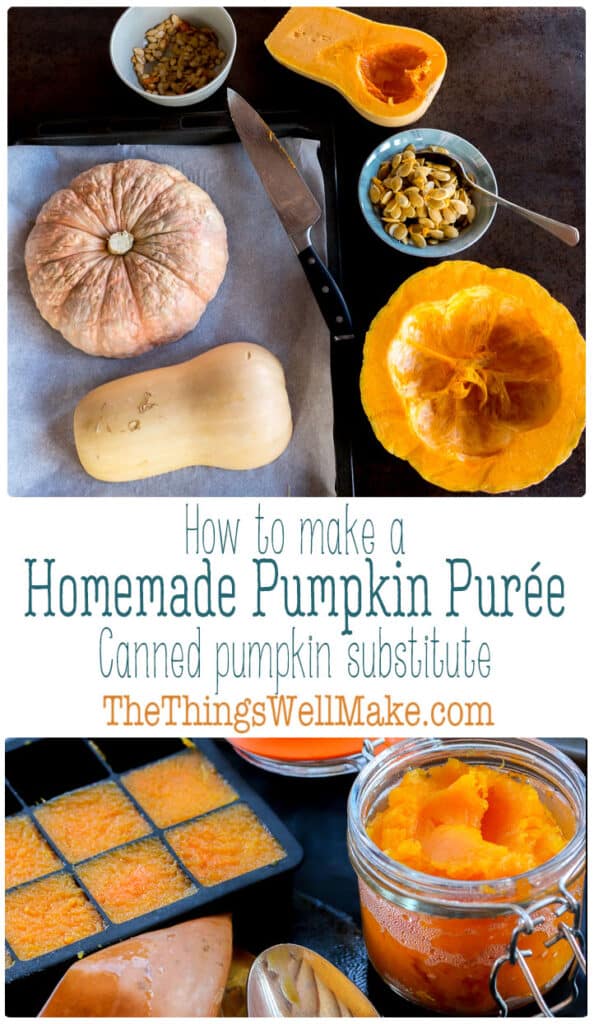
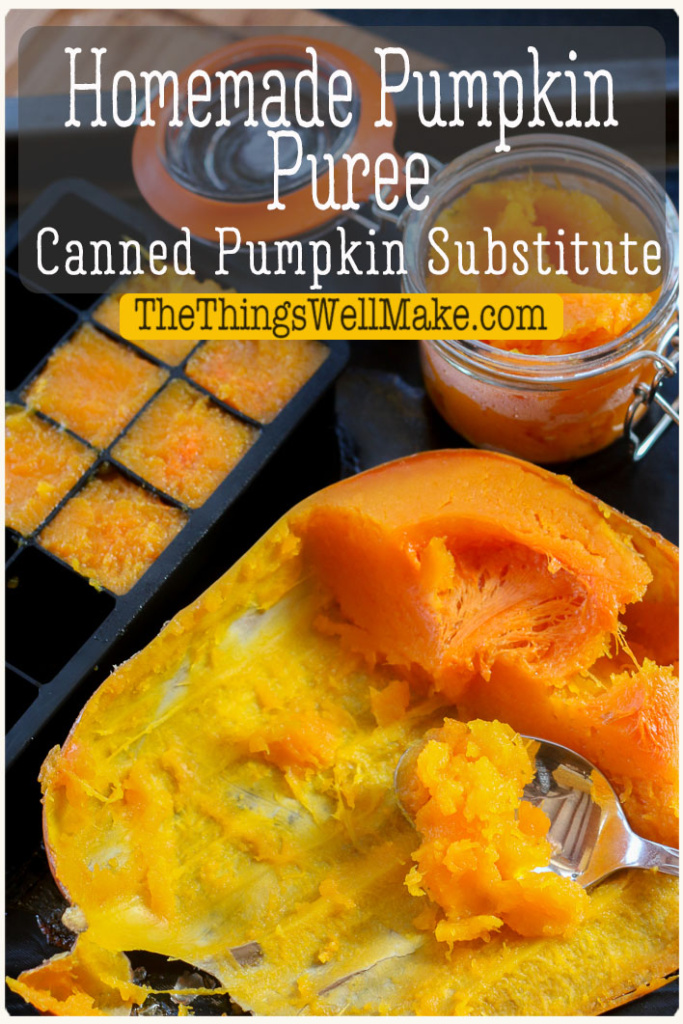
Making homemade pumpkin puree is surprisingly easy, and you don’t need any special ingredients. Whether you roast, boil, or steam your pumpkin, you can turn it into a smooth puree that’s perfect for pies, soups, and other pumpkin recipes.
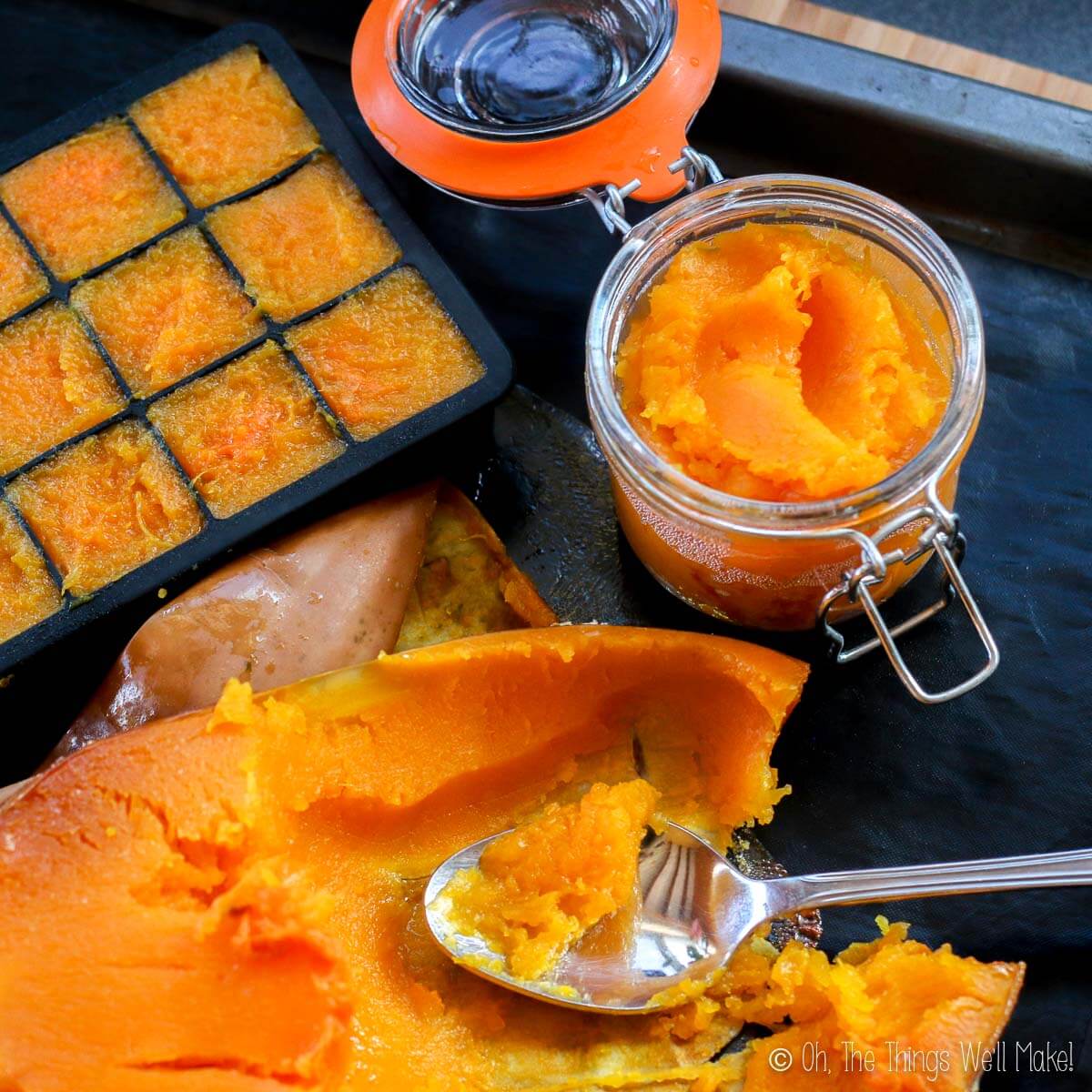
If you’ve ever tried making an American pumpkin recipe outside the United States, you may have discovered that canned pumpkin isn’t always easy to find. Here in Spain, I’ve always had to make my own pumpkin puree.
When I first moved here, I wanted to make a traditional pumpkin pie for Thanksgiving, but I couldn’t find canned pumpkin anywhere. I didn’t have my cookbooks with me, and looking up recipes online wasn’t nearly as convenient as it is today.
So I decided to improvise. I roasted some pumpkin, mixed it with cream, eggs, sugar, and pumpkin pie spices, and poured everything into a crushed cookie crust. I wasn’t entirely sure how it would turn out, but the pie was delicious!
Since then, I’ve made homemade pumpkin puree countless times. I normally roast the pumpkin because I like the flavor and find it easier than peeling and cutting a hard, raw pumpkin into pieces. But boiling and steaming work well, too, and I’ll show you how to use all three methods.
Once you’ve made the puree, you can use it in most recipes that call for plain canned pumpkin, including pumpkin pie. You can also freeze any extra puree to use throughout the year.
What kind of pumpkin should you use?
You don’t need a special variety of pumpkin to make homemade pumpkin puree, but some work better than others, especially if you’re planning to use the puree for baking.
In the United States, small sugar pumpkins (also called pie pumpkins) are a popular choice. They tend to have sweeter, denser flesh than the large pumpkins grown for carving.
I wouldn’t recommend using the large pumpkins sold for carving jack-o’-lanterns. While they’re edible, they’re generally grown for their size and appearance rather than their flavor. Their flesh tends to be stringier, more watery, and less sweet, so they aren’t the best choice for pumpkin pie.
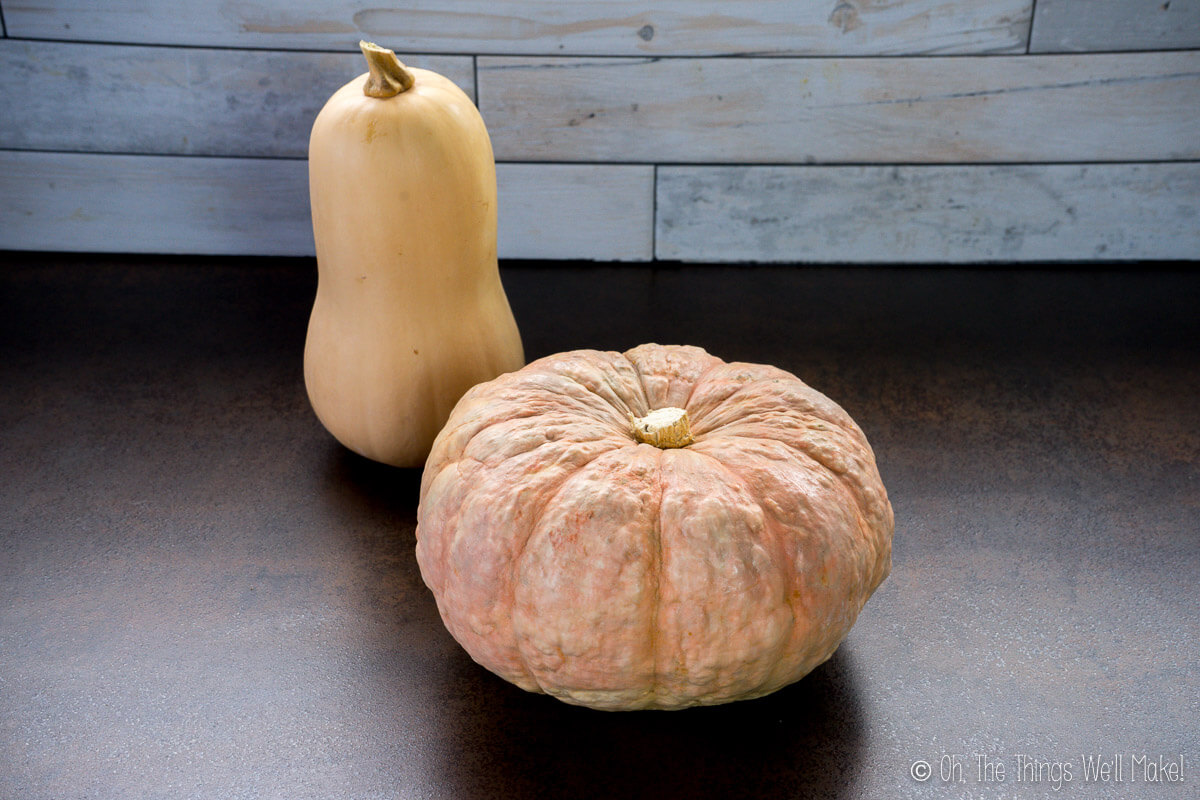
Here in Spain, I often use butternut squash (calabaza cacahuete). It’s easy to find, has a naturally sweet flavor, and makes a nice, smooth puree. You can also experiment with other varieties of winter squash.
The main thing to look for is a pumpkin or squash with flavorful flesh that isn’t excessively watery. A very watery pumpkin can make a thinner puree, which may affect the consistency of pies and other baked goods.
If your puree turns out too watery, don’t worry. You can strain off some of the excess liquid before using it in your recipes.
And if you’re wondering whether butternut squash really counts as pumpkin, it’s worth knowing that canned pumpkin in the United States isn’t always made from the round orange pumpkins you might expect. Some commercial varieties are actually more similar to winter squash.
How to make homemade pumpkin puree
There are several ways to cook pumpkin before turning it into puree. You can roast it in the oven, boil it, or steam it. All three methods work, but I normally prefer roasting.
Roasting brings out the pumpkin’s natural sweetness and gives it a richer flavor. It also avoids adding extra water, which is particularly helpful when you’re making puree for pumpkin pie or other baked goods.
Roasting pumpkin (my preferred method)
Start by washing the outside of the pumpkin and cutting it in half. Scoop out the seeds and stringy pulp from the center. You can save the seeds for roasting if you like.
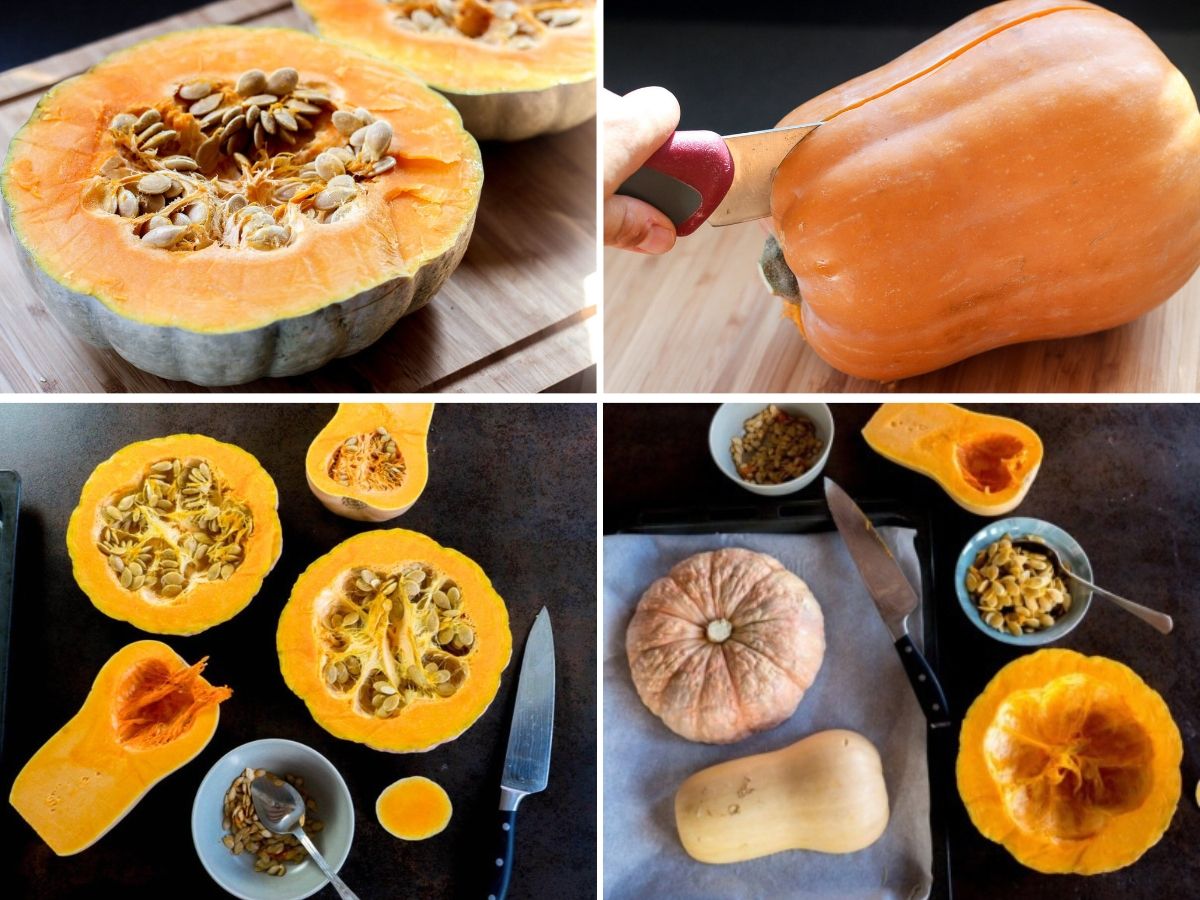
Place the pumpkin halves on a baking tray, cut side down. There’s no need to peel them first.
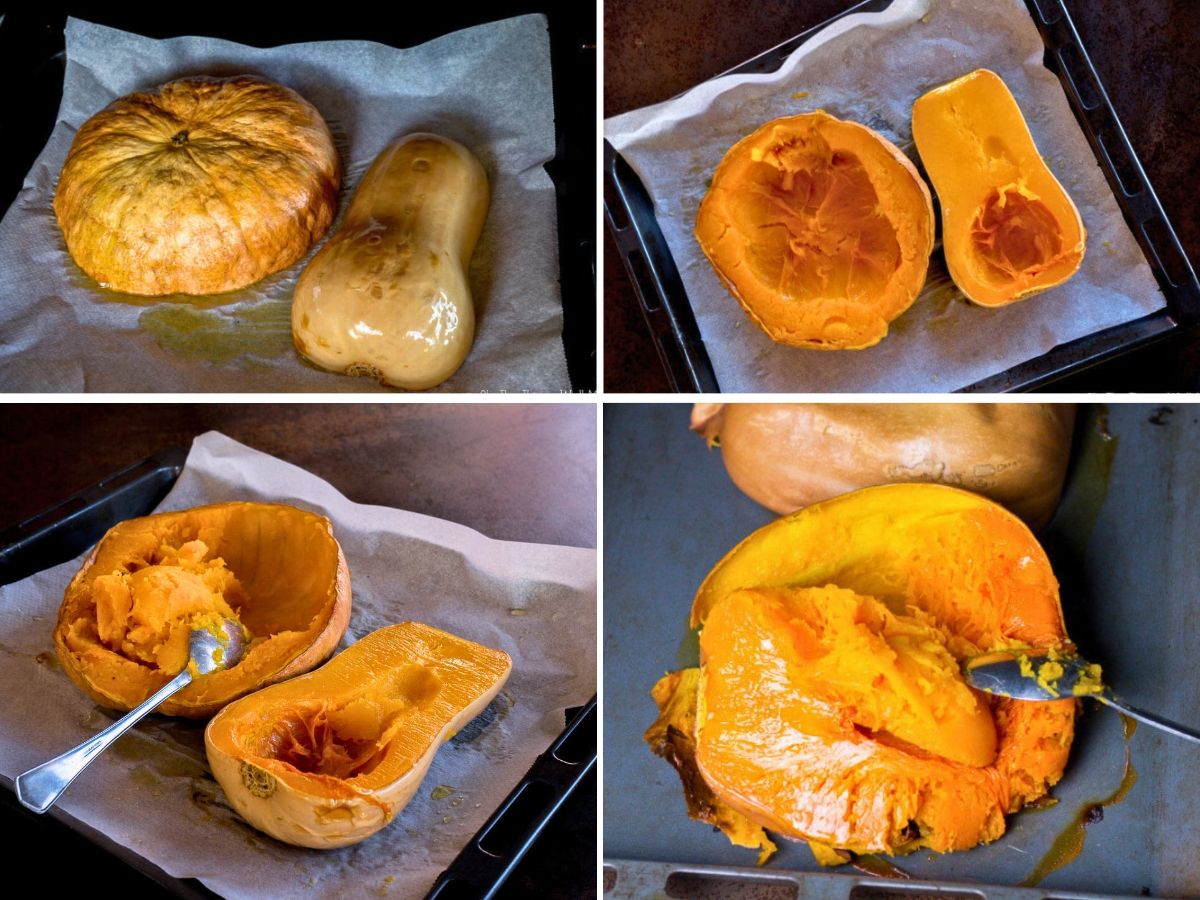
Roast at 180°C (350°F) until the flesh is tender enough to pierce easily with a fork. The cooking time will depend on the size and variety of pumpkin, so a smaller butternut squash will generally cook faster than a large, thick pumpkin.
Once the pumpkin is tender, remove it from the oven and let it cool enough to handle.
Scoop the softened flesh away from the skin and transfer it to a food processor or blender. Blend until smooth. If the pumpkin is very soft, you may even be able to mash it with a fork.
Boiling pumpkin
Boiling is another option, especially if you don’t want to turn on the oven.
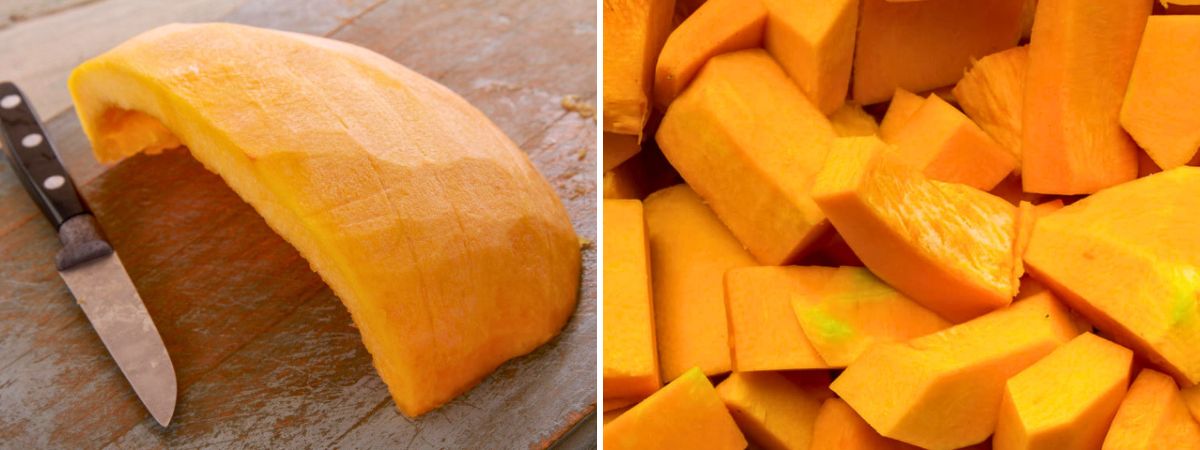
For this method, peel the pumpkin, remove the seeds, and cut the flesh into evenly sized chunks.
Place the pieces in a saucepan and add enough water to cover them. Bring to a boil, then reduce the heat and simmer until the pumpkin is tender.
Drain the cooked pumpkin thoroughly before pureeing it.
Boiling is convenient, but the pumpkin can absorb some of the cooking water, leaving you with a thinner puree. If you’re using it for baking, you may need to strain off some of that extra moisture.
Steaming pumpkin
Steaming is similar to boiling, but the pumpkin doesn’t sit directly in the water.
Peel the pumpkin, remove the seeds, and cut it into chunks. Place the pieces in a steamer basket over simmering water, cover, and steam until tender.
Transfer the cooked pumpkin to a blender or food processor and puree until smooth.
Steaming generally introduces less water than boiling, making it a good alternative if you want to avoid using the oven.
Getting the right consistency
Once you’ve pureed the cooked pumpkin, take a look at its consistency.
For soups and sauces, a slightly thinner puree usually isn’t a problem. But if you’re using it as a substitute for canned pumpkin in pies, muffins, or other baked goods, you’ll want something fairly thick.
If your puree seems watery, place it in a fine-mesh strainer lined with cheesecloth and let some of the excess liquid drain away. You can also gently press it to help remove more moisture.
The goal isn’t to make the puree dry, just to get rid of enough liquid that it has a consistency similar to plain canned pumpkin.
How to store and freeze homemade pumpkin puree
One of the nice things about making your own pumpkin puree is that you can prepare a large batch and save the extra for later. I often cook more pumpkin than I need for a particular recipe and freeze the leftovers.
Storing pumpkin puree in the refrigerator
If you’re planning to use the puree within a few days, transfer it to a clean, airtight container and keep it in the refrigerator.
Homemade pumpkin puree should keep for around 3–4 days in the refrigerator. Let it cool before storing it, but don’t leave it sitting at room temperature for more than two hours.
Although I sometimes use glass jars for storing pumpkin puree, these are only for refrigerated storage. Simply putting hot puree into a jar and closing the lid doesn’t make it safe to store at room temperature.
Freezing pumpkin puree
Freezing is my favorite way to preserve extra pumpkin puree because it’s easy and lets me keep it on hand for future recipes.
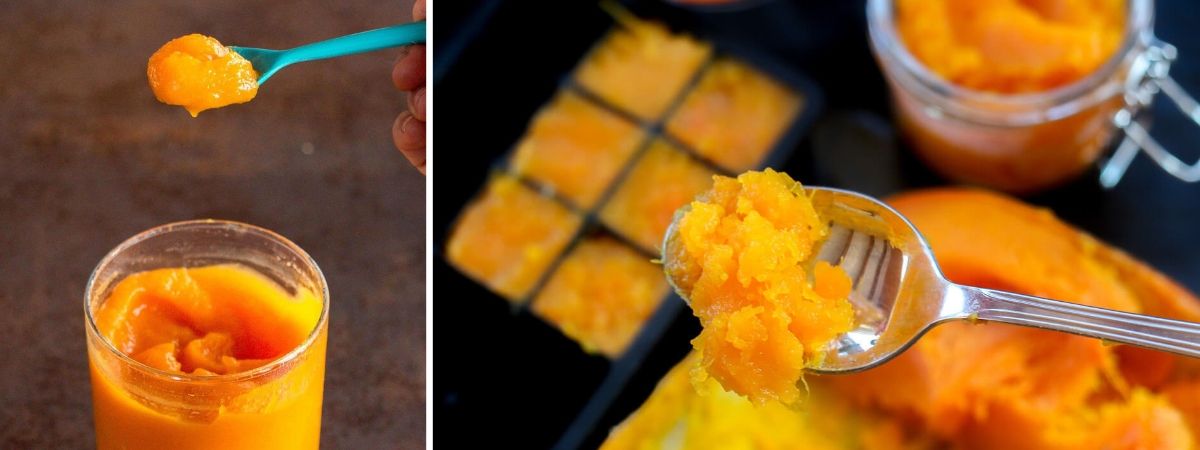
You can freeze larger portions in freezer-safe containers or bags, but I also like using silicone trays to freeze smaller portions.
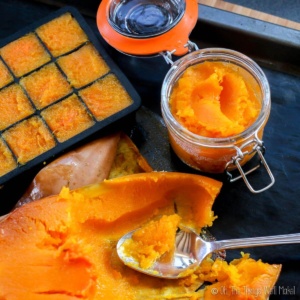
Spoon the pumpkin puree into the compartments of a silicone tray and place it in the freezer. Once the portions are frozen solid, pop them out and transfer them to a freezer bag or airtight container.
That way, you can take out just the amount you need without having to defrost an entire batch.
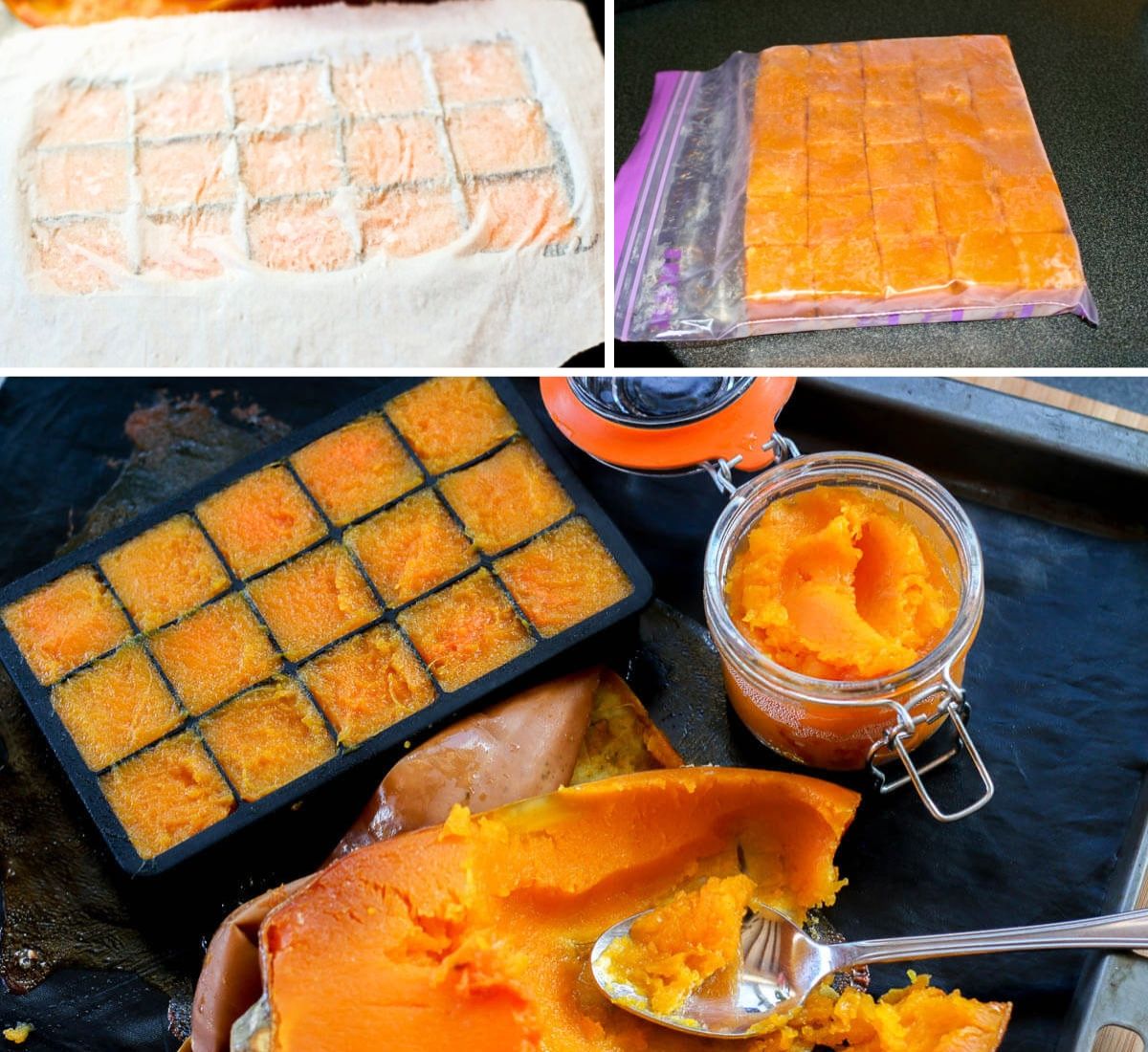
For larger quantities, you can also spread the puree in a freezer bag, press out the excess air, and flatten it before freezing. A flat bag takes up less space in the freezer and usually thaws more quickly.
I recommend labeling the containers or bags with the date and, if you’ve measured the portions, the amount of puree inside.
For the best quality, try to use frozen pumpkin puree within about 3 months, although it can remain safe longer when kept continuously frozen at -18°C (0°F).
How to thaw frozen pumpkin puree
When you’re ready to use the puree, transfer it to the refrigerator and let it thaw.
You may notice that some liquid separates as it defrosts. This is normal. You can stir it back into the puree or drain off some of the liquid if you need a thicker consistency.
If you’re using the puree for pumpkin pie or another baked dessert, check the consistency before adding it to your recipe. Homemade pumpkin puree can contain more water than canned pumpkin, depending on the variety and how it was cooked.
Can you can homemade pumpkin puree?
Despite the name of this article, I don’t recommend trying to preserve homemade pumpkin puree in jars at room temperature.
Pumpkin is a low-acid food, and its thick consistency makes it difficult to heat evenly during home canning. There isn’t a tested, safe home-canning process for pumpkin puree.
If you want to preserve pumpkin puree for longer than a few days, freezing is the easiest and safest option.
How to substitute homemade pumpkin puree for canned pumpkin
You can use homemade pumpkin puree in most recipes that call for plain canned pumpkin. The main thing to watch is the consistency, since homemade puree can sometimes contain more water.
In the United States, many pumpkin recipes call for a 15-ounce (425 g) can of pumpkin puree. You can replace that with the same weight of homemade puree.
If you’re following a recipe that measures pumpkin by volume, one standard 15-ounce can contains approximately 1¾ cups of pumpkin puree.
For recipes like pumpkin soup, a little extra moisture usually isn’t a problem. But for pumpkin pie, muffins, cakes, and other baked goods, it’s better to use a thicker puree.
If your homemade puree seems watery, strain off some of the excess liquid before measuring it for your recipe.
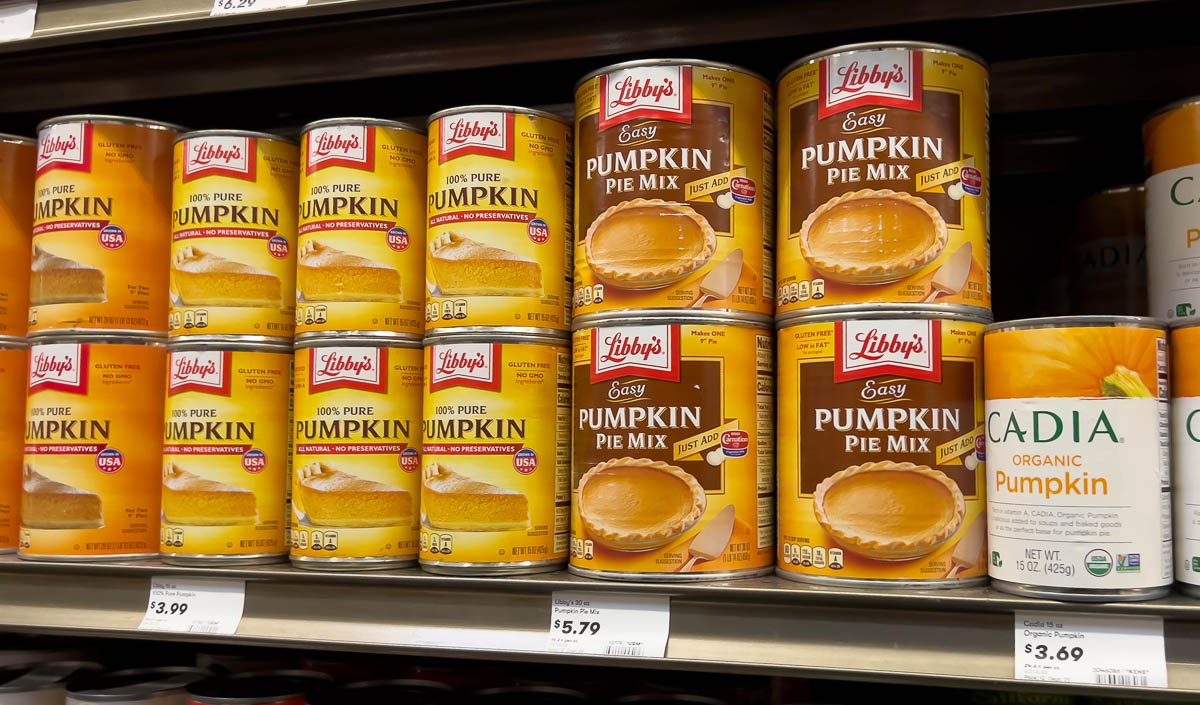
Also, make sure you’re replacing plain canned pumpkin, not canned pumpkin pie filling. Pumpkin pie filling already contains sweeteners and spices, while plain pumpkin puree is simply cooked pumpkin or squash.
Once you’ve made your own puree, you can use it in all sorts of recipes. I especially like having some in the freezer so I can make pumpkin pie whenever I feel like it.
Favorite pumpkin recipes
Having pumpkin ice cubes handy is convenient for making quick pumpkin smoothies, or adding a little pumpkin flavor to your recipes. That’s especially handy in the fall when pumpkin spice flavors so many recipes.
Being a pumpkin lover myself, you can find a wide variety of pumpkin recipes on my blog. I even make a pumpkin spice soap!
Here are some of my favorite ways to use pumpkin puree:
Pumpkin Spice Biscotti (Paleo, Vegan)

Easy Spiced pumpkin butter

Roasted Pumpkin Soup with Red Peppers and Caramelized Onions

Pumpkin Pie Dip
Makes around 1 cup

Spiced Pumpkin Yogurt Parfait
Other recipes
- Easy, no-bake paleo pumpkin pie
- Pumpkin cheese (Paleo, Vegan)
- Paleo pumpkin fries
- Grain-free buñuelos de calabaza
Watch how to make homemade pumpkin puree
Pumpkin Puree (Canned Pumpkin Substitute)
Equipment
- Steamer
Ingredients
- 1 large pumpkin, around 4lbs. or butternut squash
Instructions
Roasting method
- Preheat oven to 180ºC (350ºF).
- Cut pumpkin in half. Round pumpkins are best cut across the width while long pumpkins are best cut lengthwise.
- Scoop out the seeds.
- Place each half, cut side down, on a baking sheet. (Line the sheet with parchment paper for easier cleaning.)
- Bake in the oven until the pumpkin is soft to the touch. After 30 minutes have passed, start checking every 5-10 minutes or so for doneness by lightly pressing on the skin.
- You can use the roasted pumpkin as is, or broil the top to caramelize it slightly, adding a new dimension to the flavor. To do so, flip the pumpkin halves over on the baking sheet and put them under the broiler for several minutes, until browned. Remove the pumpkin from the oven.
- Allow the cooked pumpkin to cool slightly.
- Scrape the pulp off of the skin.
- Mash the pumpkin flesh with a fork or potato masher. For a smoother consistency, purée the roasted pumpkin in a food processor or with an immersion blender.
Boiling or steaming method
- Cut the pumpkin in half and scoop out the seeds.
- Slice it into large pieces that are easier to handle.
- Remove the skin by cutting it off with a sharp knife or peeling it with a vegetable peeler.
- Once peeled, cut the pumpkin into smaller, even-sized chunks.
- Fill a large pot with the peeled pumpkin chunks and cover them with water.
- Bring to a boil and simmer until the pumpkin is fork-tender.Rather than boiling the pumpkin directly, you can steam the pieces in a steamer or a steamer insert within a large pan.Either should take around 10-20 minutes, depending on the type of pumpkin and the size of the pieces.
- Strain out the cooked pumpkin.
- Allow to cool slightly.
- Mash or blend until reaching the desired consistency.
Notes
Roasting vs. Boiling
Roasting the pumpkin has a shorter prep. time, but a longer cook time than steaming or boiling. Boiling or steaming will take longer to prepare, but once the water has been brought to a boil, they should only take around 10-30 minutes.Storage
You can use this immediately or store it in an airtight container in the refrigerator for several days (up to a week, depending on the water content and type of pumpkin). This also freezes well for up to 6 months. I like to use cube-shaped ice cube trays for convenient storage that doesn’t waste space in the freezer.This post was originally published on October 11, 2013. It was later republished, adding new photos, tips and tricks, and other helpful information.

That little shift from “canned pumpkin” as a default to something many places simply don’t keep on hand gives this a more grounded feel.
Hi, dairy allergy here so heavy cream is an issue. I’ve used Silk Vanilla Almond Creamer and no diver (bc it’s soo sweet). My question is… is it supposed to be super runny before baking?
Where are you using the dairy?
This is just for making the puree.
The pumpkin flesh should be very hard before baking.