

How to Make Tomato Powder (& Sun-dried Tomatoes)
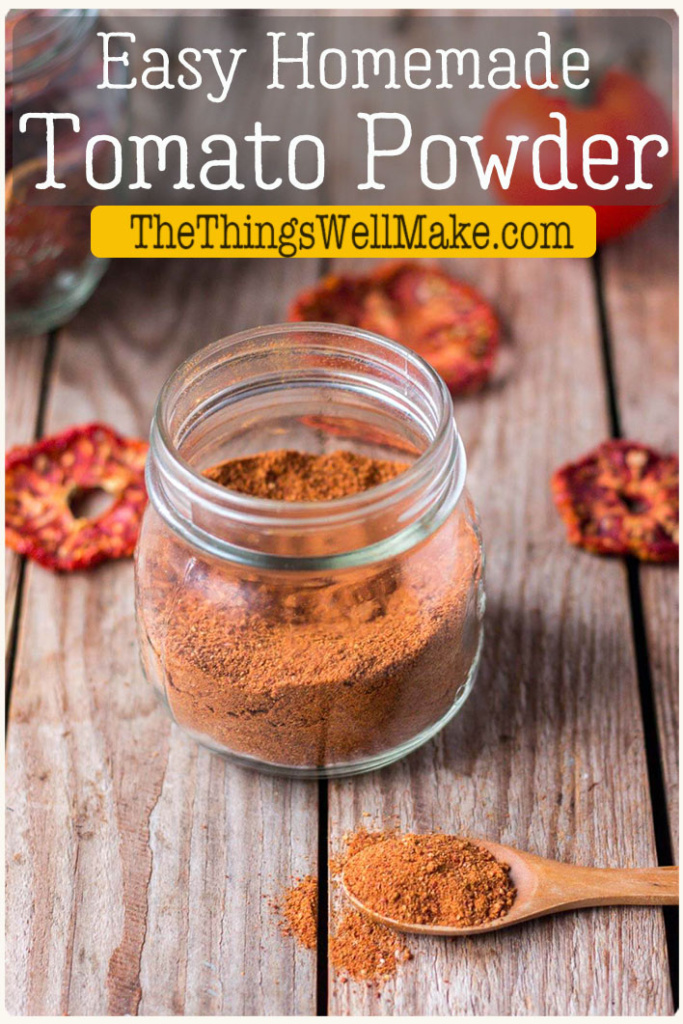
Discover how to make tomato powder and sun-dried tomatoes in the oven, dehydrator, or under the sun. These easy, space-saving tomato preserves add instant flavor to sauces, soups, and more.
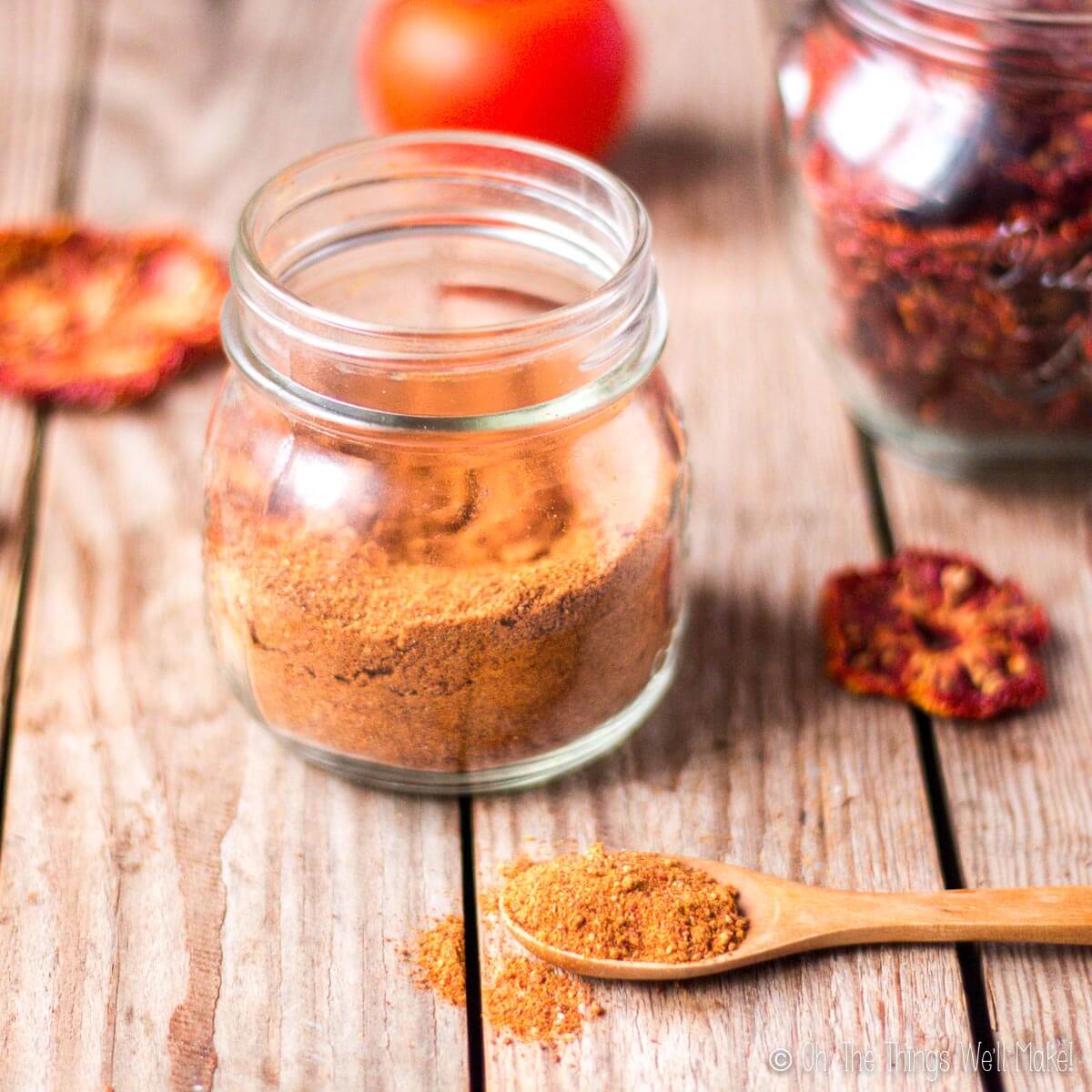
Every summer that we plant a vegetable garden, I end up with more ripe tomatoes than we can possibly eat before they spoil. After making sauces and soups, I love turning the rest into either tomato paste or sun-dried tomatoes, and tomato powder.
If you want to enjoy the flavor of your garden all year long, without the hassle of canning or freezing, this is the way to go! Both methods are easy, take up very little space, and let you preserve that rich tomato flavor for months. Once dried, you can use them to flavor just about anything, from soups and sauces to scrambled eggs and homemade chips.
Why you’ll love this
- It’s versatile: make sun-dried slices or grind them into tomato powder.
- No canning or freezing required.
- Saves pantry and freezer space.
- Easy to make in the oven, dehydrator, or even under the sun.
- Works with any tomato variety and keeps their flavor shelf-stable for months.
Ingredients
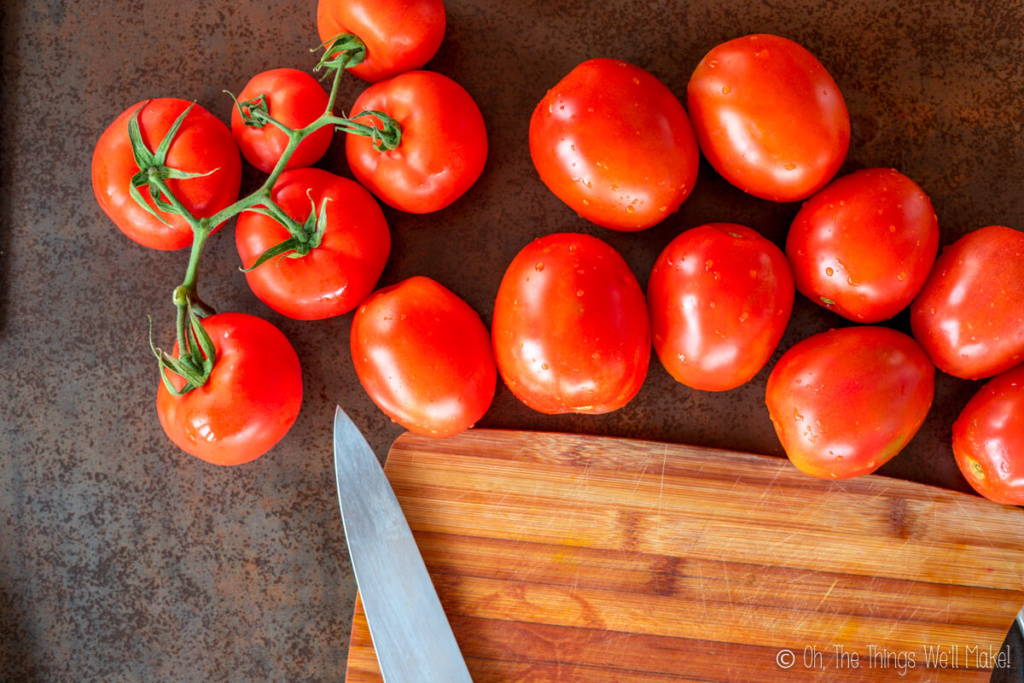
You only need one ingredient: tomatoes!
You can use any variety you have on hand, but keep in mind that some types dry faster than others:
- Roma or plum tomatoes work best because they’re meaty and have less water.
- Cherry tomatoes also work well. Just slice them in half before drying.
- Round or slicing tomatoes contain more juice, so they’ll take longer to dry.
Materials & equipment
You don’t need any fancy tools to make sun-dried tomatoes or tomato powder, but a few simple items make the process easier:
- Sharp knife or mandoline slicer – for thin, even slices.
- Baking sheets or dehydrator trays – depending on your drying method.
- Parchment paper or silicone mats – to prevent sticking.
- Blender, food processor, or coffee grinder – for grinding into powder.
- Fine mesh sieve – to sift the powder for a smooth, even texture.
- Airtight containers or jars – for long-term storage.
- (Optional) Cooling racks or mesh screens – if sun drying outdoors.
Step-by-step instructions
Prep the tomatoes
Rinse the tomatoes well and remove the stems. Pat them dry and slice them thinly and evenly (about ⅛ inch, or 3 mm, thick is ideal). Even slices help them dry more quickly and evenly.
(Tip: A mandoline slicer works great here!)
Arrange for Drying
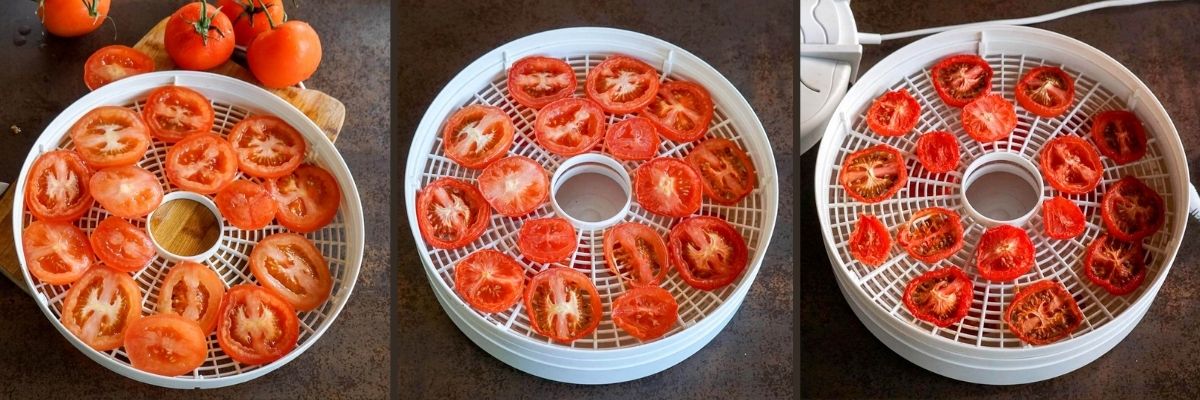
Spread the tomato slices in a single layer on baking sheets, dehydrator trays, or drying racks. Make sure they aren’t overlapping, as airflow is key for even drying!
If using baking sheets, you can line them with parchment paper or silicone mats to prevent sticking.
Oven method
- Set your oven to the lowest temperature (usually 140–170°F / 60–75°C).
- Turn on the fan or convection setting if available.
- Bake for 5–8 hours, flipping the slices halfway through.
- They’re ready when they’re dry and leathery (for sun-dried tomatoes) or brittle (for powder).
Some people open the oven door slightly to release moisture faster, but I don’t think it’s really necessary.
Dehydrator method
Follow the instructions that come with your particular dehydrator or…
- Arrange the slices on the trays and set your dehydrator to 125–135°F (50–60°C).
- Dry for 6–10 hours, depending on slice thickness and tomato type.
- Check periodically and remove any slices that finish early.
Sun drying
If you live in a hot, dry, sunny climate, you can make true sun-dried tomatoes. Depending on the weather, full sun-drying can take 2–4 days.
- If they aren’t completely dry, finish them in the oven or dehydrator.
- Place the slices on mesh screens or racks, leaving space between them.
- Cover with a fine mesh cloth or netting to keep insects away.
- Bring them indoors each night to avoid moisture from dew.
When are they ready?
The exact drying time depends on the tomato variety, slice thickness, and drying method.
- For Sun-Dried Tomato Slices: You can stop when the tomato slices are dry, leathery, and flexible, not sticky or spongy.
- For Tomato Powder: Continue drying them until they’re completely hard and brittle. (If there’s any flexibility left, there’s still moisture that can cause mold or clumping later.)
Making the powder
Once your tomato slices are completely dry and brittle, it’s time to grind them into powder.
- Break the slices into smaller pieces so they blend more evenly.
- Grind the dried tomatoes using a blender, food processor, or coffee grinder until a fine powder forms.
- A coffee grinder usually gives the smoothest texture. You may want to start with a blender or food processor, and finish it with the coffee grinder.
- Sift the powder through a fine-mesh sieve.
- Return any larger flakes to the grinder and repeat until all of the powder is fine and even.
You’ll be amazed by how concentrated the flavor becomes. A spoonful adds instant richness to soups, sauces, or even scrambled eggs!
Storage (dried tomato slices)
Store in an airtight container in a cool, dry place, away from humidity and sunlight. To extend their shelf life, you can refrigerate them or even freeze them.
In oil
If you prefer to keep them in olive oil, refrigerate the jar and use within a few weeks.
(Optional: Dip the slices in vinegar first to help preserve them and enhance the flavor.)
⚠️ Important: Avoid adding fresh garlic or herbs to the oil unless you’ll use them quickly — they can shorten storage time and increase the risk of spoilage.
Storage (tomato powder)
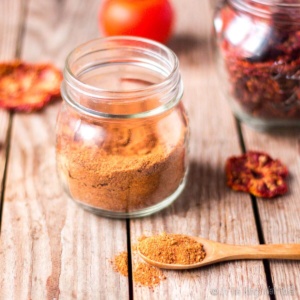
Keep your tomato powder in a sealed jar or airtight container in a cool, dark pantry or the refrigerator. If your tomatoes were fully dehydrated, it can last for a year or more without losing flavor.
To prevent clumping, add a small silica packet or a few grains of uncooked rice to the jar.
Expert tips
- If your tomato powder clumps together after storage, it likely absorbed a bit of moisture from the air. You can fix this by spreading it on a baking sheet and drying it again for 10–15 minutes at a low temperature (around 150°F / 65°C). Once cooled, store it again in a tightly sealed jar.
- For the best drying results, choose Roma or plum tomatoes. They’re meaty and dry faster.
- To save time, use a mandoline slicer for perfectly even slices.
- To make dried slices and powder, remove a batch when it’s leathery for storage. Then, continue drying the rest until it’s brittle enough for grinding.
How to use dried tomatoes
Once dried, they keep their tomato flavor beautifully and can be used in all kinds of dishes. Depending on how you plan to use them, you can leave them dry or rehydrate them by soaking in warm water for about 30 minutes.
Here are some of my favorite ways to enjoy them:
- Blend into sauces or soups for a deeper, more complex tomato flavor.
- Add to compound butter (great for steak or garlic bread).
- Slice and toss into salads, pasta, sandwiches, or wraps.
- Layer on pizzas, burgers, or focaccia for chewy, flavorful bites.
- Marinate in olive oil for topping bruschetta or antipasto platters.
If you’re feeling adventurous, chop a few sun-dried slices into your homemade bread dough or crackers for a pop of flavor.
On the blog, I used them in this recipe:

Citrus-Herb Basque Chicken
Tomato powder uses
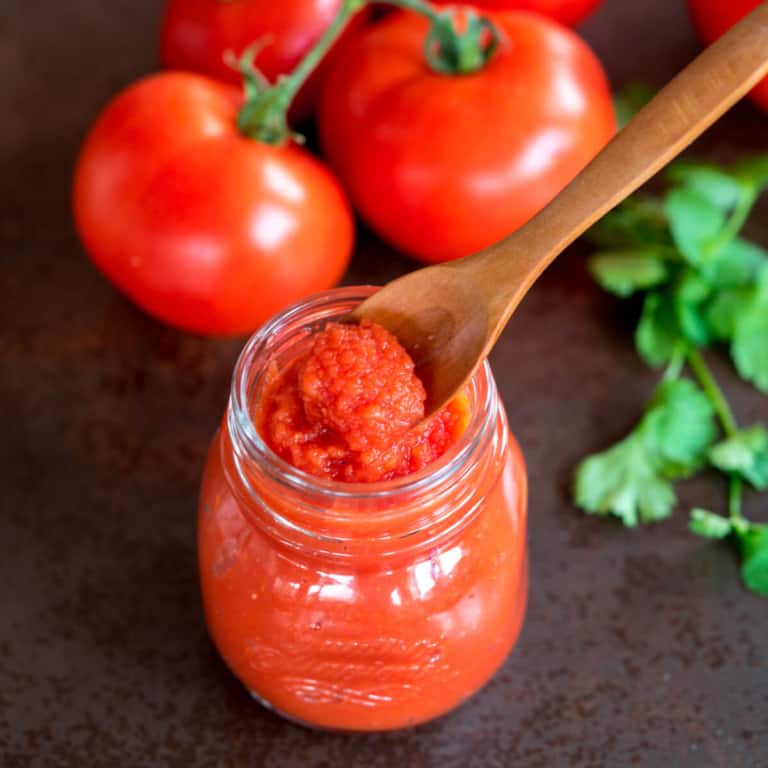
Tomato powder makes it easy to add tomato flavor to soups, sauces, or snacks without opening a can or cooking down fresh tomatoes.
- Add it to homemade pasta or pizza dough for color and flavor.
- Add a rich tomato flavor to soups, stews, sauces, or marinades.
- Stir into ground beef or turkey for tacos, meatballs, or pasta sauce.
- Combine with cream cheese or sour cream for a simple dip or spread.
- Sprinkle it over popcorn, roasted nuts, or homemade chips.
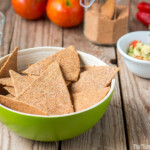
Paleo Doritos Like Chips Recipe
How to make tomato sauce from tomato powder
To turn your tomato powder into a quick sauce, paste, or even soup, just mix it with water. Adjust the ratio depending on how thick you want it:
- For tomato paste or thick sauce: Mix 1 part tomato powder + 1 part water.
- For a thinner sauce or soup base: Add more water until it reaches the consistency you like.
Simmer the mixture for a few minutes over low heat to let it thicken and develop its flavor.
You can season it to taste with salt, garlic, or herbs, just as you would with fresh tomato sauce.
FAQs
Yes. They’re delicious when dried, but since they hold more water, they’ll take a little longer. Slice them in half before drying so the moisture can escape more easily.
Definitely. The oven works fine. Just use the lowest temperature setting and good airflow. It may take a bit longer, but the results are the same.
If the tomatoes are fully dried and stored in an airtight container in a cool, dry place, tomato powder can last for a year or more. Storing it in the fridge can help it stay even fresher.
Yes, as long as your air fryer allows low temperatures (around 140–150°F / 60–65°C). Work in small batches and keep the slices in a single layer so they dry evenly without burning.
Always keep them in the refrigerator and use within a few weeks. Avoid adding raw garlic or fresh herbs unless you plan to eat them quickly, since those can shorten the storage life.
Video
How to Make Tomato Powder & Dehydrated Tomatoes
Ingredients
- 8 lbs. tomatoes (any variety — Roma or plum tomatoes dry fastest)
Instructions
Prep the tomatoes
- Rinse the tomatoes well and remove the stems.
- Pat dry and slice thinly and evenly (about ⅛ inch / 3 mm thick).
Arrange for drying
- Spread the slices in a single layer on dehydrator trays, baking sheets, or drying racks. Avoid overlapping for even airflow.
Dry the tomatoes
In the oven
- Set to the lowest temperature (140–170°F / 60–75°C). Use the fan if available. Bake for 5–8 hours, flipping halfway through.
In a dehydrator
- Set to 125–135°F (50–60°C) and dry for 6–10 hours until leathery or brittle.
Sun drying
- Place on mesh screens in full sun. Cover with netting to keep insects away and bring indoors at night. Depending on the weather, this may take 2–4 days.
Check for doneness
- For sun-dried tomatoes, they should be dry and flexible but not sticky or soft.For tomato powder, continue drying until completely brittle.
- Once the tomatoes are completely dry, store them.
Make tomato powder (optional)
- Break the dried slices into smaller pieces. Grind them in a blender, food processor, or coffee grinder until fine.
- Sift through a mesh sieve and regrind any larger flakes until all the powder is smooth.
Store
- Dried Slices: Keep in an airtight container in a cool, dry place or refrigerate for longer storage.Tomato Powder: Store in a tightly sealed jar in a cool, dark pantry or the refrigerator. If well dried, it can last for a year or more.
Notes
Yields
About 8 ounces of dried tomatoes (or roughly 32 tablespoons of powder).Drying time
The exact drying time depends on:- The type of tomato (Roma or plum tomatoes dry faster)
- The thickness of the slices
- The drying method and appliance used
Storage – dried tomato slices
- Store in an airtight container in a cool, dry place.
- To extend their shelf life, refrigerate or freeze them.
- If using plastic bags, remove as much air as possible before sealing.
- Discard any slices that show signs of mold.
Storage – in oil
- Dried tomato slices can be kept in olive oil in the refrigerator.
- For best results, slice them into strips before adding them to the oil.
- Avoid adding fresh garlic or herbs unless you’ll use them quickly, since they shorten the shelf life.
- To enhance the flavor, dip the slices in vinegar before submerging them in oil.
Storage – tomato powder
- Store in a sealed jar or airtight container in a cool, dark place or in the refrigerator.
- If completely dehydrated, it can last for a year or longer.
- Add a small silica packet or a few grains of rice to prevent clumping.
Using dried tomatoes
- Blend into soups, sauces, or compound butter.
- Slice and add to salads, pasta, sandwiches, or pizza.
- Rehydrate by soaking in warm water for about 30 minutes before using.
- Try them in my Citrus-Herb Basque Chicken for a rich, savory touch.
Using tomato powder
- Add to soups, stews, sauces, or taco meat.
- Sprinkle over homemade chips or roasted vegetables.
- Mix with water (1:1 ratio) for instant tomato sauce or paste; add more water for a thinner sauce.
- Combine with cream cheese or sour cream for a savory spread or dip.
This post was originally published on Dec. 2, 2016. It was rewritten, adding new photos and clearer instructions in October 2025.


As someone with kidney troubles in always trying to find different ways to make seasonings with things I can use. In so excited to hear this idea and in dehydrating a tomato now to see how it works. Thanks so much.
I’m very happy to help, Jeremy! I hope it goes well for you.
My favorite dehydrated dinner recipe for backpacking is chicken tortilla soup, which gets a lot of its flavor from tomato powder. Basically my own spin on this:
https://www.dirtygourmet.com/backpacking-tortilla-soup/
It’s soooo tasty, so I’m hoping to come up with more backpacking recipes that use this ingredient. Thanks to your instructions I’m now making my own tomato powder instead of having to buy it, which will be so much more convenient and probably cheaper, too. Thank you!
Hi Amy,
That’s an interesting idea. I actually do a lot of hiking myself because I live on a mountain, but because I’m not gone very long, I really only take some nuts and fruit usually. I like the idea of foods for backpacking, though. I’ll keep it in mind. 🙂
My daughter ans son-in-law do a lot of camping and backpacking. This summer they raided my dehydrated foods and one of the things they liked best was the tomato powder. They made soup, seasoned meats with it and even made some tomato juice.
Wow, that’s great! I’m so happy to hear it! 🙂
Very useful
Thank you!
I ordered a flat of organic San Marzano tomatoes from my CSA. I peeled & canned the whole tomatoes, then dehydrated the tomato skins & made them into powder. Easy peasy, since no prep was necessary to use the skins.
Wow, Andrea, I love that idea!
So thrifty and frugal- totally up my alley!
Thanks so much for the idea. I’ll have to add the tip when I get to updating the post.
In the part of the world where I live, 50kg of fresh tomatoes cost less than a dollar at peak season. Can you advise me how I can go into the production of commercial tomato powder. ie.type of machines needed and where I can find them to buy. Because at off seasons it can cost as much as 100 dollars. I will be greatful to your usual corporation.
Hi Kwaku,
I’m sorry, but I have no idea about the sorts of machines you would need for commercial production. I write for people who want to take charge of their food and other products and make them themselves at home. I don’t sell anything I make, and only make small amounts of foods, soaps, etc. for my own family.
Can you use green tomatoes
Hi Christina,
I’ve never tried it.
You definitely could use green tomatoes. I’m just not sure what the flavor would be like. It would probably be good for different recipes and to give a different flavor to recipes. If you try it, I’d love to hear how it goes.
HOLY COW!!! That just gave me an AWESOME idea!!! We have a lot of Mexican supermarkets here in Las Vegas, that of course sell more “Mexican” fruits n veggies. I recently bought 5lbs of tomatillos. Besides the usual salsa verde, I think I’ll try doing THIS with a few!!! I will let you know how it turns out!! Oh my gosh I am soooooo excited!! tee-hee!! 😀
Hi Toni,
That is a great idea, and I’d love to hear how it goes!
I use the powder for making homemade “Doritos” like chips, so that would also be great in something like that. 😉
Have fun!
A couple of years ago, I dehydrated some tomatoes and made tomato powder. But I didn’t have time to grind ALL of them, so I threw the rest in a ziplock bag… and promptly forgot about them. I ran across the bag yesterday, and they had gone “leathery” instead of crispy. They probably absorbed a wee bit of moisture, but there is no mold and they still smell fine. I tried putting them back in the dehydrator and ran them for about 8 hours today, but they are still leathery— or is that because they are warm?
Do you have any ideas about re-crisping them? Or should I just throw them away (wincing)?
Hi Muriel,
Unfortunately, I don’t have any ideas for re-crisping them.
If it were me, I’d probably cut them into small pieces and throw them into oil for using on salads or blending into other sauces. Even if they aren’t crisy enough to make a powder, you should still be able to get great uses out of them. 😉
I haven’t yet tried to make tomato powder, but if I had some I would add it to pasta dough to make red pasta!
Hi Marsha,
That sounds like a great idea for it.
I may have to try that sometime. I don’t often make pasta anymore, as I went pretty strict paleo for awhile, but I may start introducing it back into my diet little by little. Homemade is definitely the way to go! 🙂
Hi!
I did this with tomato sauce. I cooked a batch of tomatoes, adding herbs and spices to taste, boiled it down and dehydrated to leather. I then ground the leather and put the powder back in the dehydrator to make sure it was good and dry. Great for pizza topping and stir fried veggies for pasta!
If you’re on the lookout for a dehydrator and are considering an Excallibur, *do* have a look at the *Sedona* first. It looks very much like the Excallibur (9 trays) but you can divide the space in 2 as it has 2 heating elements and fans and comes with a divider-tray. Great for smaller batches as it only requires half the electricity.
Hi Guinan,
That sounds great too! I may have to try that sometime.
Thanks for the heads up on the dehydrators. Eventually I want to get one with rectangular trays like those. I hate the round ones. They’re very impractical, but I just wanted something cheap to see if I’d actually use a dehydrator. 😉
I have a Sedona and I specially like that I can use only half of it, because I live alone and don’t always have a lot to dehydrate. Also the door does not come completely out, it’s on a hinge and flips down, which means I don’t have to find a spot in my – small and overfull – kitchen to put it. The prices are comparable, although the Sedona has a bit less volume than the Excalibur. For me that was not a problem because I already have trouble filling it! You seperate the two halves by means of an – included – tray, which can also be put on the lowest rung to catch crumbs, which I also find helpful.
Take a look here for a comparison:
http://www.healwithfood.org/comparison/tribest-sedona-dehydrator-vs-excalibur-which-is-better.php
That makes a lot of sense!
Thanks for the tip. 🙂
Hi I have a old dehydrator..I purchased a huge stainless steal didn’t work ..what kind of dehydrator are you using for these tomatoes ?I’m looking to purchase another one and I need to do the tomato powder .I always have tons of tomatoes from garden….linda
Hi Linda,
That’s interesting. To be honest, I purchased the cheapest dehydrator I could find on amazon because I didn’t know how much I would be using it. The same brand doesn’t seem to be available in the US, but it was something like this, but with opaque walls.
In the end, I use it more than I thought, and I have to admit that I hate the circular design. I should have bought something like this instead! (I chose that one to show more or less the design of what I would like, but that super sale price does catch my attention. 😉 )
Are you sure you didn’t just leave it long enough?
Tomatoes take a long time to dehydrate because they have a lot of water. At first they will get dry yet flexible. You have to take them a step further and get them dry and crispy before grinding them into powder.
You could also try finishing them up in the lowest heat setting of your oven, with the fan on if that’s an option with your oven. That works pretty well in my oven. You have to be very careful not to burn them, though.