
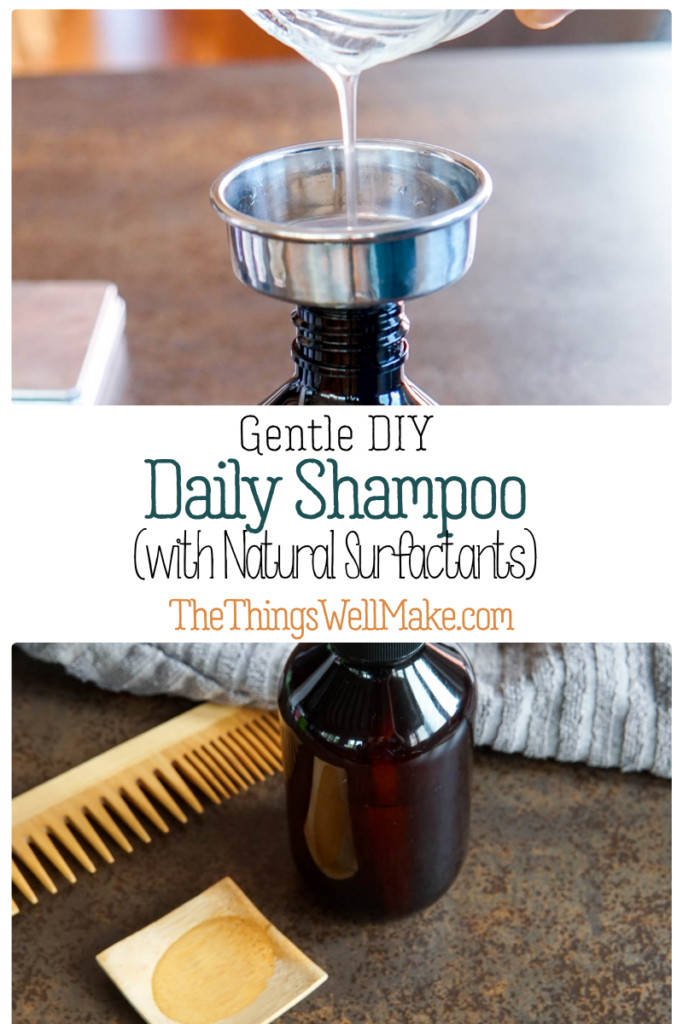
Gentle DIY Daily Shampoo (with Natural Surfactants)
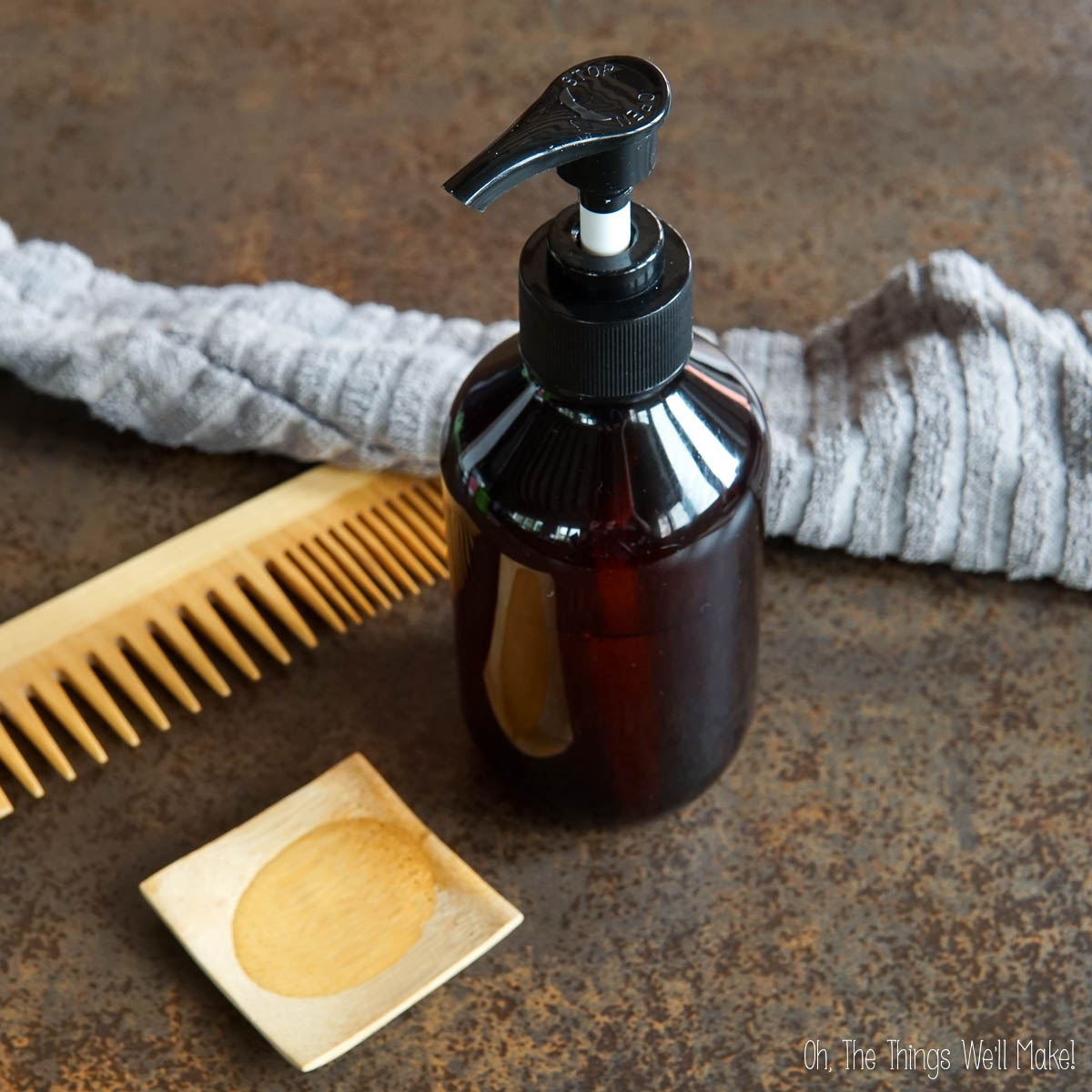
Cleanse your hair gently with this DIY daily shampoo made with natural surfactants. This mild, sulfate-free formula is perfect for frequent washing without stripping your hair.
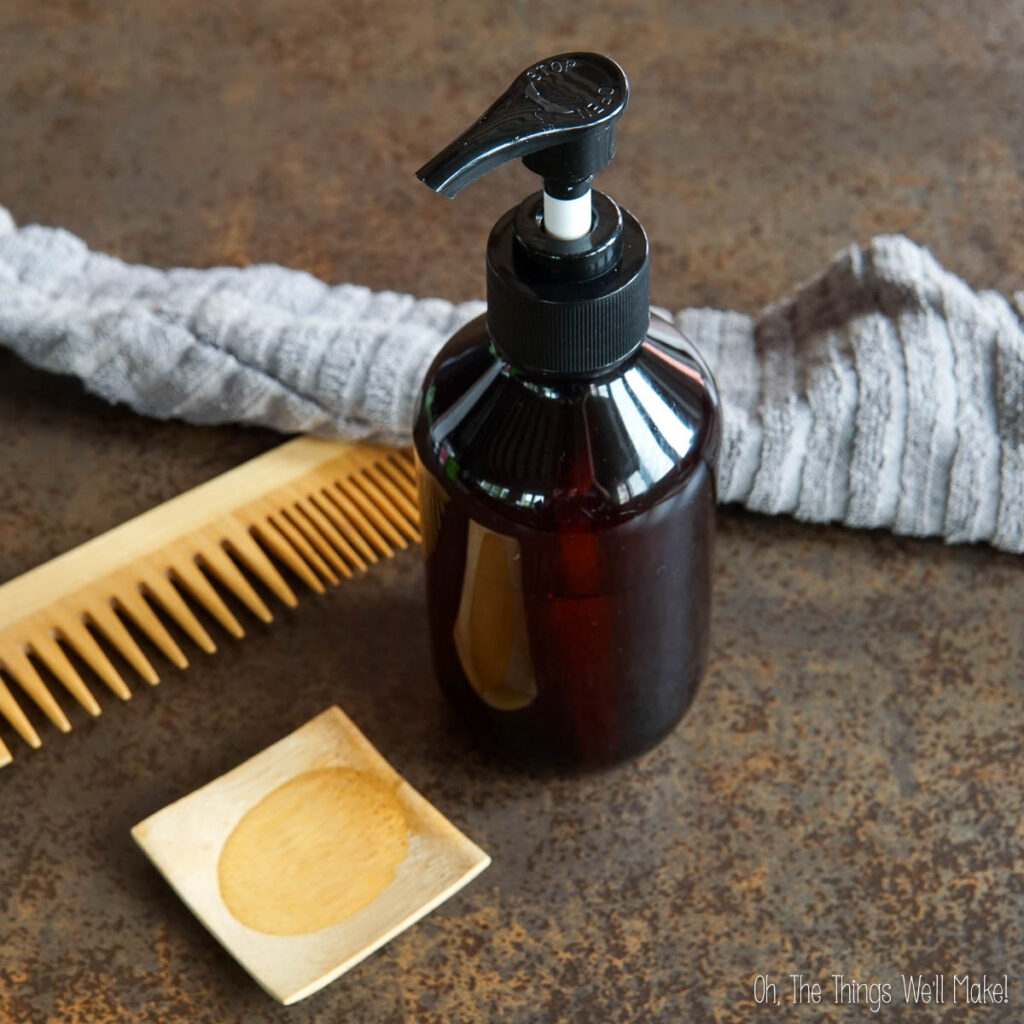
If you’ve tried my clarifying shampoo, you already know that it does a great job of removing buildup and leaving your hair feeling really clean. When I was only washing my hair once a week, that’s exactly what I needed.
But as I started washing my hair more often, I found that I wanted something a bit gentler for regular use. This DIY daily shampoo is made with the same types of natural surfactants, but in lower amounts, so it cleans your hair without stripping it. It’s a better option for frequent washing, especially if your hair is on the drier side or you’re trying to maintain waves or curls.
Why make your own daily shampoo?
Making your own shampoo gives you complete control over how strong or gentle it is. That becomes especially important when you’re washing your hair more frequently.
Many store-bought shampoos are designed to give a deep clean every time, which can be helpful occasionally, but isn’t always ideal for regular use. Over time, stronger shampoos can leave your hair feeling dry or harder to manage, especially if your hair is naturally wavy or curly.
By making your own daily shampoo, you can use milder surfactants and adjust the formula to better suit your routine. This recipe is designed to cleanse your hair effectively without stripping away too much of its natural moisture, making it a better fit for frequent washing.
How to make this shampoo (full video tutorial)
Watch the full step-by-step tutorial to see exactly how to make it from start to finish.

Why use natural surfactants instead of soap?
If you’ve ever tried washing your hair with soap, you may have noticed that it can leave your hair feeling rough or dry. That’s because soap has a higher pH (usually around 9-10). That higher pH can raise the hair cuticle, which may leave your hair feeling rougher, drier, or more prone to tangling.
If you want to learn more about how pH affects your hair and skin, I explain it in more detail in my post about pH in cosmetics.
Your hair and scalp prefer a slightly acidic environment, so natural surfactants are a better fit. They clean your hair without the high pH of soap, so your hair feels softer and easier to manage. They also make it easier to tweak the formula depending on how often you wash your hair.
How this shampoo is different from my clarifying shampoo
While both shampoos are made with natural surfactants, the main difference is the overall cleansing strength.
This daily shampoo uses a lower concentration of surfactants, making it gentler and better suited for frequent use. It helps keep your hair clean and fresh without stripping it.
My clarifying shampoo, on the other hand, uses a higher concentration of surfactants and is better for occasional use when you want to remove buildup from oils, styling products, or hard water.
Ingredients
To make this gentle daily shampoo, you’ll need distilled water (or a hydrosol or mild herbal infusion) as the base. I used a combination of mild surfactants, including coco betaine, decyl glucoside, and coco glucoside, to create a shampoo that cleans well without being too strong for frequent use.
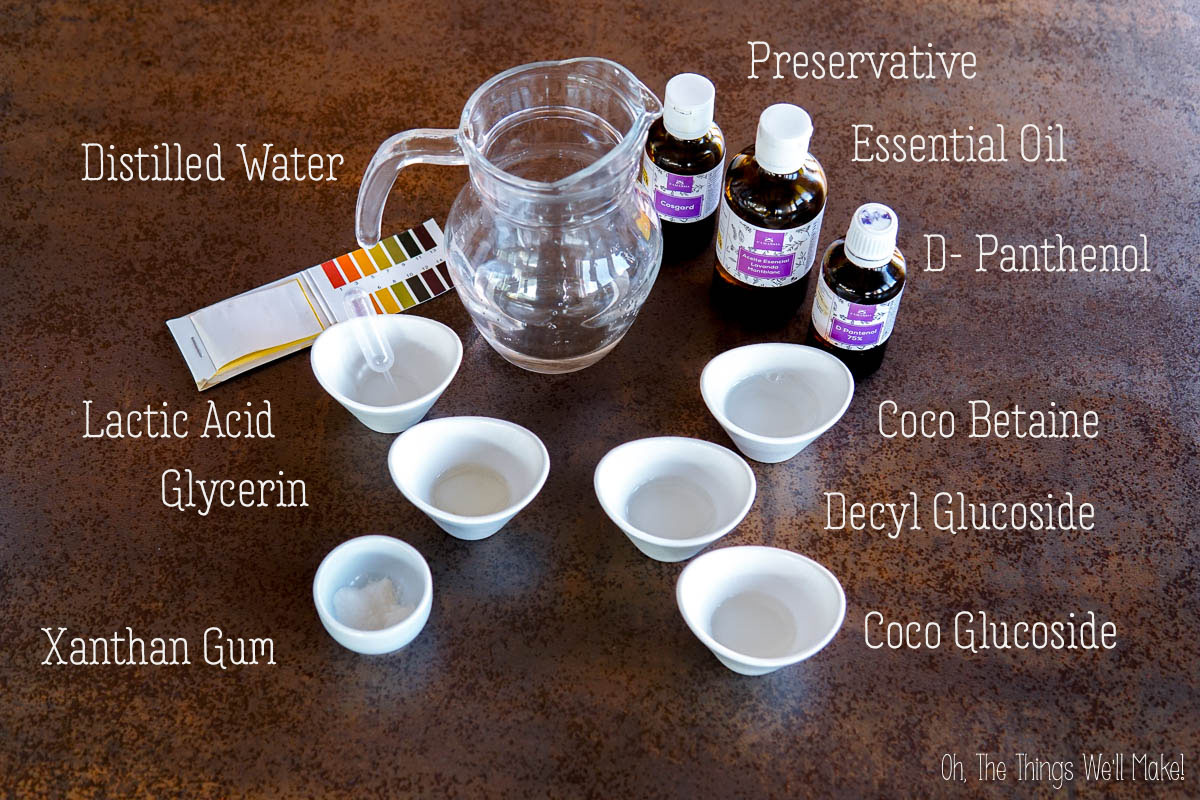
To help thicken the shampoo and improve its texture, I used a small amount of xanthan gum, which is first mixed into glycerin to prevent clumping. The glycerin also helps add a bit of moisture to the hair. I also added d-panthenol (provitamin B5), which can help improve the feel of the hair and add some light conditioning.
For fragrance, you can add a small amount of essential oils if you like, or leave them out for a fragrance-free version. Finally, since this is a water-based product, you’ll need to include a preservative according to the recommended usage rate for the one you choose.
How to make a gentle daily shampoo
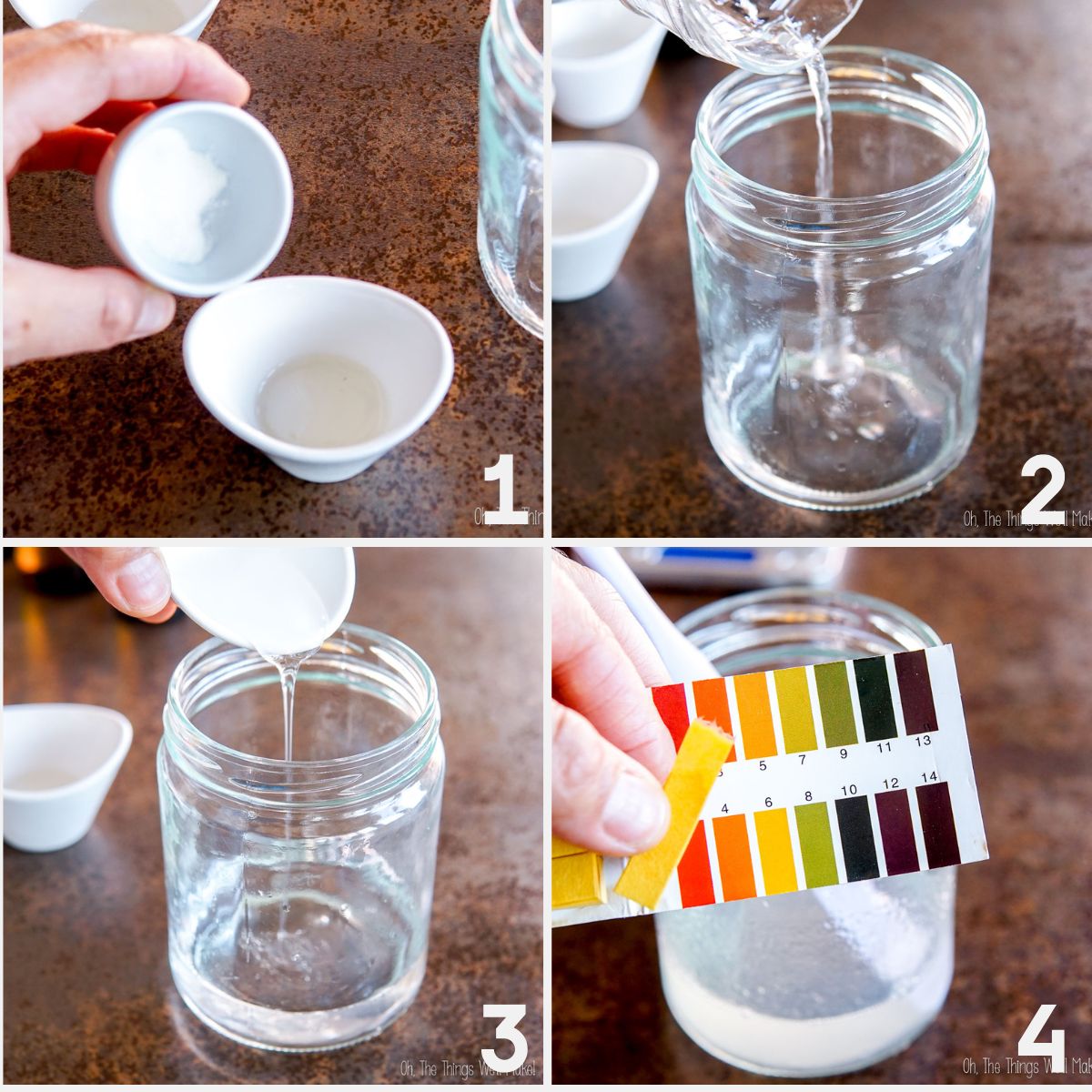
Begin by mixing the xanthan gum into the glycerin, making sure it’s fully incorporated. (1) This step helps prevent lumps and makes it much easier to evenly distribute the xanthan gum throughout the shampoo.
In a separate container, start adding the rest of the ingredients, stirring gently as you go. (2) Once everything else has been combined, add in the glycerin and xanthan gum mixture and continue stirring until the shampoo is smooth and uniform. (3)
Try to mix slowly to avoid creating too much foam while you’re working. If your mixture does become bubbly, you can let it sit for a while and the bubbles will settle on their own.
Once everything is well combined, check the pH of your shampoo. Ideally, it should fall in a slightly acidic range, around 4.5 to 5.5. If needed, you can adjust the pH before bottling. (I added some lactic acid to bring the pH down into the ideal range.)
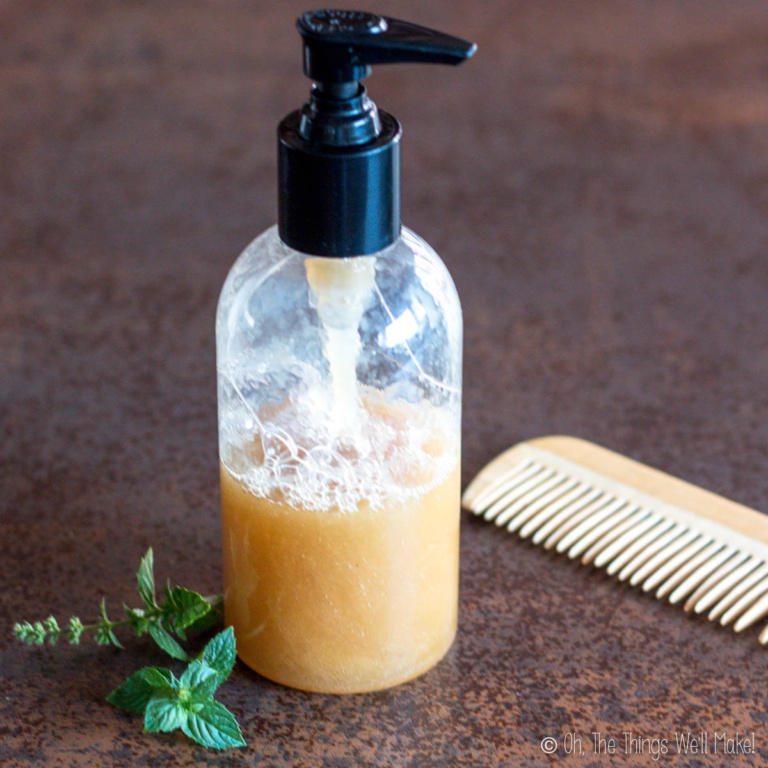
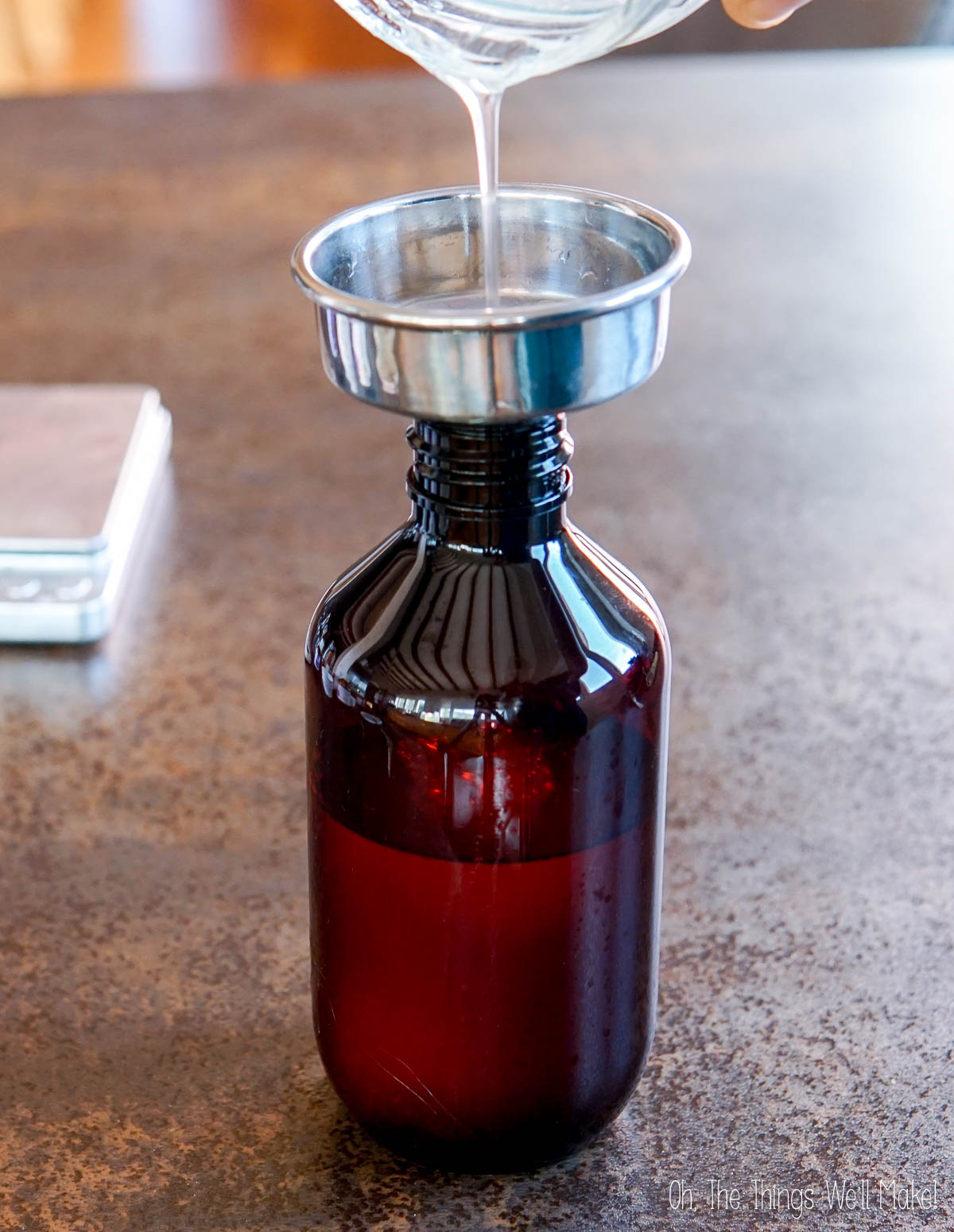
When you’re happy with the consistency and pH, transfer the shampoo to a bottle, and it’s ready to use.
Customizing your daily shampoo
For dry or damaged hair
If your hair tends to feel dry, you can make this shampoo a bit more hydrating by slightly increasing the glycerin or adding ingredients like aloe vera. You may also find that adding a small amount of d-panthenol or a protein helps improve how your hair feels after washing. Just keep in mind that a little goes a long way, and it’s best to make small adjustments and see how your hair responds.
For oily hair
If your hair gets oily quickly, you may prefer to keep the formula as light as possible. You can slightly reduce the glycerin or avoid adding extra conditioning ingredients. This will help the shampoo feel lighter and leave your hair feeling fresher for longer.
Adding proteins (or leaving them out)
You can experiment with adding hydrolyzed proteins like silk or wheat protein if your hair responds well to them. Some people find that proteins help strengthen their hair and improve texture, while others prefer to avoid them because they can make the hair feel stiff. If you’re not sure how your hair reacts, start with a small amount or leave them out altogether.
Using hydrosols or herbal infusions
Instead of distilled water, you can use a hydrosol or a gentle herbal infusion like chamomile, nettle, or rosemary. These can add a subtle scent and may offer some additional benefits depending on the plant used. Just keep in mind that fresh infusions can be more prone to spoilage, so using a proper preservative is especially important.
Adjusting the thickness
If you’d like a thicker shampoo, you can slightly increase the amount of xanthan gum. If you prefer a thinner consistency, you can reduce it a bit. Since xanthan gum continues to hydrate over time, it’s a good idea to wait a few hours before deciding if you want to adjust the texture further.
Expert tips
When working with surfactant-based shampoos, try to mix everything as gently as possible. Stirring too quickly can create a lot of foam, which makes it harder to see the final texture and can be frustrating to work with. If your shampoo does get bubbly, just let it sit for a while and it will settle down on its own.
If your shampoo feels thinner than you’d like, give it some time before adjusting it. Xanthan gum can continue to hydrate and thicken slightly over the first several hours. If you still want it thicker, you can add a tiny bit more, but be careful not to overdo it.
Always check the pH, especially if you’re making substitutions or adding new ingredients. Hair tends to feel best when products are slightly acidic, and keeping the pH in the right range can make a noticeable difference in how your hair feels after washing.
If you’re using an herbal infusion instead of distilled water, keep in mind that it can affect both the color and shelf life of your shampoo. Make sure to use a proper preservative and store your shampoo in a cool, dry place.
Finally, pay attention to how your hair responds over time. If you start washing more frequently, you may find that you prefer a gentler formula like this one. If you go longer between washes or use more styling products, alternating with a stronger clarifying shampoo can help keep your hair feeling balanced.
Follow up with a conditioner, especially if your hair is dry or tangles easily. You can try my DIY hair conditioner.
FAQs
Yes, for most people this shampoo is gentle enough for frequent use. That said, how often you wash your hair really depends on your hair type and personal preference. If your hair starts to feel dry, you can space out washes or alternate with a more conditioning routine.
This version uses a lower concentration of surfactants, so it’s gentler and better suited for regular use. My clarifying shampoo is stronger and works better for removing buildup from oils, styling products, or hard water.
You can reduce the total amount of surfactants slightly or dilute a small amount with water in your hand before using it. Keep in mind that reducing the surfactants will also reduce the amount of lather.
Yes, just make sure to use one that is suitable for water-based products and follow the recommended usage rate from the supplier. You’ll also want to ensure that your final pH falls within the effective range for your preservative.
It’s best to use distilled water to avoid minerals and impurities that can affect both the stability of the shampoo and how it feels on your hair. If you do use tap water, keep in mind that results may vary.
Yes, you can make this shampoo without xanthan gum. The gum is only used to thicken the shampoo, so if you leave it out, the formula will be more liquid.
It will still clean your hair just as well, but it can be harder to apply. A very liquid shampoo tends to run through your hands and off your hair before you can work it in. Using a squeeze bottle or applying it directly to your scalp can help.
If you prefer a thicker texture that’s easier to handle, you can add xanthan gum or another thickener, but it isn’t essential.
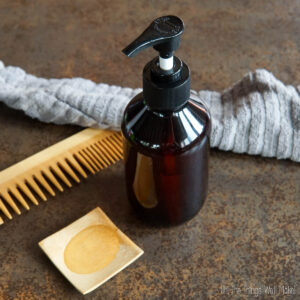
Gentle DIY Daily Shampoo
Materials
- 62 g distilled water
- 14 g coco betaine
- 9 g decyl glucoside
- 5 g coco glucoside
- 5 g glycerin
- 1 g xanthan gum
- 2 g d-panthenol
- 1 g essential oils optional
- 1 g preservative or according to your preservative’s recommended usage rate
- lactic acid (for pH adjustment, as needed)
Instructions
- In a small container, mix the glycerin and xanthan gum together until fully combined and free of clumps.
- In a separate container, begin adding the remaining ingredients, stirring gently after each addition.
- Add the glycerin and xanthan gum mixture and continue stirring until everything is evenly incorporated.
- Mix slowly to avoid creating excess foam. If the mixture becomes bubbly, let it sit until the bubbles settle.
- Check the pH of the shampoo. Ideally, it should be between 4.5 and 5.5. Adjust with a small amount of acid if needed.
- Transfer the shampoo to a bottle and allow it to rest for several hours before use for best texture.