

Carrier oils: a practical guide to choosing the right oils for skincare and soapmaking
Feeling overwhelmed by carrier oils? This guide explains what they are, why they matter, and how to choose fewer, better oils for simple, effective DIY recipes, from skincare and haircare to soapmaking.
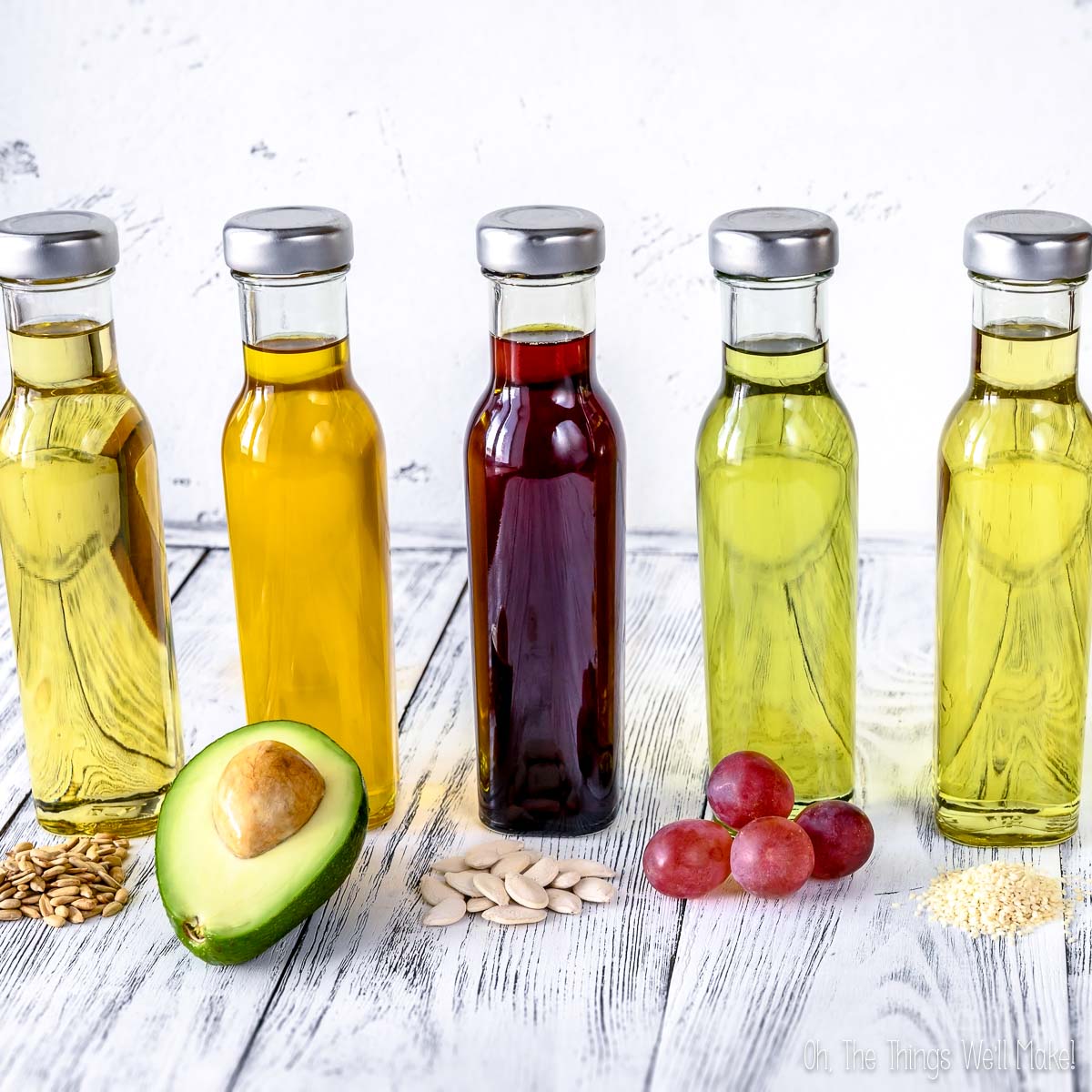
Carrier oils are in almost every skincare recipe, but choosing between them can feel overwhelming. When I started making my own products, I bought many different oils over the years. I often thought I would try them all or that I needed a special oil for each skin issue.
That’s partly because I was influenced by ingredient lists. Many commercial products include long lists of oils, and it’s easy to assume that more oils automatically means a better product. In reality, those “fancy-sounding” ingredients often add marketing appeal more than they add real benefits, especially when they’re included in tiny amounts.
I decided to create this guide while clearing out years of accumulated oils, some of which were likely already going rancid. It made me stop and rethink which oils I actually use, which ones truly earn their place in my recipes, and which ones I don’t need anymore.
The goal of this page is to simplify things. Instead of collecting dozens of oils, I want to help you understand how carrier oils work, what qualities actually matter, and how to choose a small number of oils that make sense for your skin and the products you want to make. This is meant to be a practical reference you can come back to, whether you’re formulating from scratch or just trying to make sense of an ingredient list.
What is a carrier oil?
The term carrier oil can be confusing if you’re new to making skincare, especially because it’s usually explained in contrast to essential oils. You hear “essential oil” and “carrier oil” together so often that it almost feels like they always have to go together.
In reality, a carrier oil is just a plant-based oil. It can be used to dilute essential oils, but it can also be used on its own. Essential oils are very concentrated and shouldn’t be applied directly to the skin, so they’re usually mixed into a carrier oil to make them safe to use.
But carrier oils aren’t just there for dilution. Even in products that don’t contain essential oils at all, they play a major role in how a product feels, how quickly it absorbs, and how it behaves on the skin.
These oils are typically pressed from seeds, nuts, or fruit, and they contain fatty acids and other lipid components that help soften the skin, support the skin barrier, and reduce moisture loss. This is why you’ll find carrier oils in facial serums, creams, body lotions, cleansing oils, and balms.
One important thing to understand is that carrier oils are not all the same. Each oil has a different texture, absorption speed, and fatty acid makeup, which is why one oil might feel light and comfortable on your skin while another feels heavy or greasy. Choosing a carrier oil isn’t just about what’s “good” for your skin type, but also about how you want a product to behave.
How carrier oils behave in different products
One thing that can confuse beginners is that the same oil can behave very differently depending on how you use it.
For example, an oil that feels smooth and good for the skin may make a soft soap that produces little lather. Another oil that makes excellent soap may feel heavy if used as a facial oil.
Oils are made of different fatty acids. These fatty acids affect how the oil works in various products.
In skincare and haircare, oils mostly affect things like:
- How quickly the product absorbs
- How greasy or light it feels
- How well it supports the skin barrier
- How stable the oil is over time
In soapmaking, those same oils influence completely different characteristics, such as:
- The hardness of the bar
- Lather quality
- Cleansing strength
- Conditioning feel
Because of this, a single oil can be excellent for one type of product and less ideal for another.
Throughout this guide, you’ll see notes about how each oil behaves in different applications, including:
- Skincare and facial oils
- Lotions and creams
- Haircare products
- Soapmaking
Understanding these differences will help you choose oils more confidently and avoid buying dozens of ingredients you don’t actually need.
What matters when choosing a carrier oil
When you start looking at different oils, you’ll see a lot of claims about vitamins, antioxidants, and special skin benefits. While those things can matter, they usually aren’t the most important factors when choosing an oil for a recipe.
Fatty acid profile
The fatty acids in an oil affect how it behaves both on the skin and in formulations. Oils high in oleic acid tend to feel richer and more moisturizing, while oils higher in linoleic acid often feel lighter and absorb more quickly.
For example, olive oil is high in oleic acid, which is why it feels richer and more nourishing on the skin. Grapeseed oil, on the other hand, is higher in linoleic acid, so it feels lighter and absorbs more quickly.
These differences also affect how oils behave in soapmaking, influencing things like lather, hardness, and conditioning properties.
Texture and absorption
Some oils feel light and absorb quickly, while others sit on the skin longer and feel more protective. Neither is necessarily better. The best choice depends on the type of product you are making.
For example, a lightweight oil may be ideal for facial serums, while a richer oil might work better in a body balm or massage oil.
Stability and shelf life
Not all oils keep well for the same amount of time. Oils high in polyunsaturated fats tend to oxidize more quickly, meaning they can go rancid faster. More stable oils generally have a longer shelf life and are often better choices for beginners who may not use ingredients quickly.
When an oil goes rancid, it starts to break down and develop an off smell, often described as sour, stale, or a bit like old nuts or crayons. It may also lose some of its beneficial properties.
Rancid oils aren’t usually dangerous in small amounts, but they’re not something you want to use on your skin or in your recipes. They can be irritating and won’t perform the way a fresh oil would. For that reason, it’s best to discard oils that smell off or have clearly gone bad.
Price and availability
Some oils are marketed as luxury ingredients, and it’s easy to feel like the more expensive ones must be better or somehow do more for your skin. I definitely fell into that trap at the beginning and ended up buying oils I didn’t really need, thinking they would make a big difference. (And some of them ended up going rancid before I even used them.)
In practice, though, most of the time you won’t notice a huge difference just because an oil is more expensive. Many simple, easy-to-find oils work just as well in most recipes. Those “specialty” oils are often used in small amounts or included more for marketing than for a noticeable change in how a product actually feels.
That doesn’t mean they aren’t nice to use. Some of them have a really nice texture or can add something a bit different, but you usually don’t need them, especially when you’re just getting started.
That’s why I usually recommend starting with a small group of versatile oils that you can use in a variety of products. Once you get a feel for how they behave, it’s much easier to decide if you actually need anything else.
Quick comparison table
If you’re not sure which oil to choose, the table below gives a quick overview of how common carrier oils compare.
| Oil | Texture | Absorption | Best uses | Soapmaking |
|---|---|---|---|---|
| Olive oil | Rich | Slow | Lotions, balms, soaps | Mild, conditioning bars |
| Coconut oil | Firm / rich | Medium | Balms, cleansers, soaps | Hard bars, bubbly lather |
| Jojoba oil | Light | Fast | Facial oils, serums, haircare | Rarely used |
| Castor oil | Thick / sticky | Slow | Lip balms, salves, haircare | Boosts and stabilizes lather |
| Argan oil | Light | Medium-fast | Facial oils, hair serums | Rarely used |
| Rosehip oil | Light | Fast | Facial oils, anti-aging blends | Not usually used |
| Tallow | Rich / solid | Slow | Balms, body butters | Hard bars, creamy lather |
| Sweet almond oil | Medium | Medium | Massage oils, lotions | Conditioning |
| Avocado oil | Rich | Slow | Creams, dry skin products | Conditioning |
| Grapeseed oil | Very light | Fast | Lightweight facial oils | Conditioning but softer bars |
| Sunflower oil | Light | Medium | Lotions, lightweight oils | Conditioning |
The core carrier oils I use most often
When you first start making your own skincare products, it’s easy to feel like you need a whole collection of different oils. I definitely went through that phase myself. In reality, though, a small group of versatile oils can cover most recipes.
These are the carrier oils I reach for most often. They’re easy to find, not overly expensive, and work well in a wide variety of products, from simple facial oils to lotions, balms, and soaps.
Olive oil
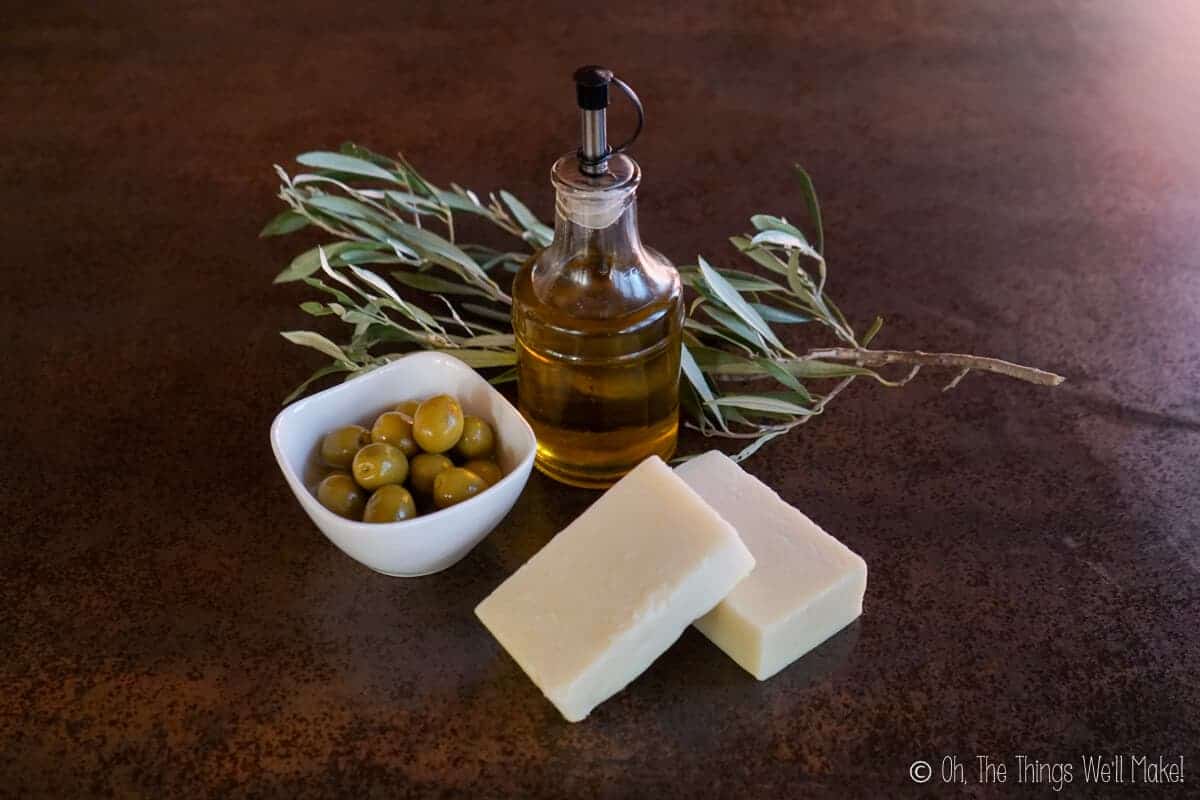
Olive oil is one of the most versatile carrier oils that has been used in skincare for centuries. It has a rich, moisturizing feel and works well in body oils, balms, and many types of creams and lotions. It’s also sometimes used on the face, especially for dry skin, but it can feel a bit heavy and doesn’t absorb as quickly as lighter oils. For that reason, I tend to use it more in body products than in facial serums. It can also be used in haircare, where it helps soften and smooth, but again, a little goes a long way.
In soapmaking, olive oil makes a very gentle bar that’s great for sensitive skin. It doesn’t produce as much lather as some other oils, but it gives a nice, conditioning feel.
Best for: soaps, balms, lotions, and gentle skincare.
You’ll see olive oil used in recipes like:
- How to make olive oil from scratch
- Easy pure Castile soap recipe
- Easy beginner liquid Castile soap
- Activated charcoal face soap
Coconut oil
Coconut oil is very popular in DIY skincare and soapmaking, mostly because it’s easy to find and relatively inexpensive. It’s widely available in supermarkets and has a reputation as a “natural” ingredient, so a lot of people already have it on hand.
It’s solid at cooler temperatures and melts quickly on contact with the skin. That can make it a bit tricky to work with in colder weather, but it also makes it useful in products like balms where you want something that firms up slightly.
In skincare, it can feel rich and moisturizing, but it can also feel a bit heavy and doesn’t absorb very quickly. Some people love it on their skin, while others find it’s just too heavy, especially on the face. It can also clog pores for some people, which is another reason it’s often better used in body products or as part of a blend.
In haircare, it’s often used to help soften and smooth hair, but again, a small amount is usually enough.
In soapmaking, coconut oil is one of the most useful oils you can use. It helps make a hard bar and creates a rich, bubbly lather. That said, too much coconut oil in a soap can be drying, so it’s usually balanced with other oils.
Best for: soapmaking, cleansing balms, body products.
You’ll see coconut oil used in many DIY recipes on this site, including:
Jojoba oil
Jojoba oil is technically a liquid wax rather than a true oil, but for most purposes, you can think of it as a very lightweight oil. Its composition is similar to the oils naturally produced by our skin, which is one reason it tends to feel light and comfortable for many people.
It’s often considered one of the “ideal” carrier oils because it’s light in color, has very little scent, and works well in a wide range of products. It absorbs fairly quickly and doesn’t leave as much of a greasy feeling as some richer oils, which is why it’s especially popular in facial oils, serums, and lightweight moisturizers. It’s also commonly used in haircare products because it can help soften and smooth without weighing the hair down.
Because it’s technically a wax, it’s also very stable and tends to keep well over time. That makes it a great choice for things like oil infusions and perfumes where you want a longer shelf life.
It’s not used as much in soapmaking. I’ve tried adding a small amount to liquid soap before when I was experimenting with a copycat Dr. Bronner’s recipe, but it tended to separate a bit, likely because of the unsaponifiable components. For that reason, it’s usually used more in leave-on products than in soap.
If price weren’t a factor, I’d probably use jojoba oil for almost everything else. The main reason I don’t is that it tends to be more expensive than many other carrier oils.
Best for: facial oils, serums, lightweight moisturizers, haircare.
You’ll see jojoba oil used in many recipes on this site, including:
Castor oil
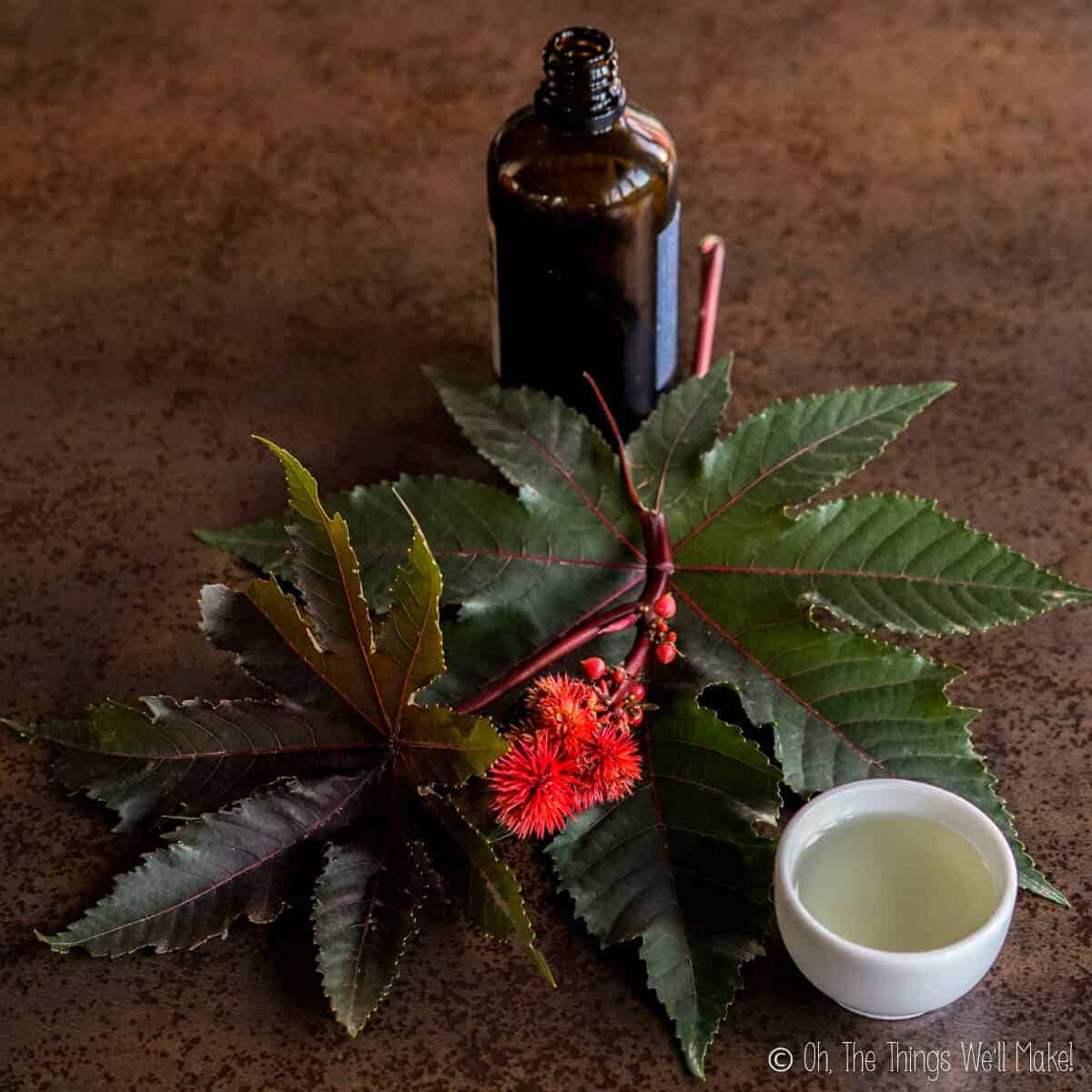
Castor oil is a thick, sticky oil that’s usually used in small amounts as part of a blend rather than on its own. It has a very distinct texture, so a little goes a long way.
In soapmaking, it’s especially useful because it helps boost and stabilize lather, making bubbles last longer. That’s why you’ll often see it included in small percentages in soap recipes.
In skincare and haircare products, it can add richness and shine, but it can also feel quite heavy and doesn’t absorb very quickly. For that reason, it’s often combined with lighter oils.
That said, I don’t personally mind the texture. I sometimes use it on its own on my skin, and I’ve also added it to things like tallow balms because it’s often said to be good for the skin, especially for helping keep it moisturized and protected.
It’s also become more popular again lately, and you’ll often see it used on its own or in things like castor oil packs.
Best for: soapmaking, lip balms, salves, and hair products (in small amounts).
You’ll see castor oil used in recipes like:
- Vegan glycerin soap
- DIY shaving soap
- Natural deodorant for sensitive skin
- Zinc oxide stick soothing balm
Argan oil
Argan oil is a lightweight oil that absorbs fairly well and doesn’t leave as much of a greasy feeling as some richer oils. It’s especially popular in haircare and facial skincare because it can help soften and smooth without feeling too heavy.
It works well in things like facial oils, serums, and hair products where you want something nourishing but still relatively light. I tend to reach for it more in smaller amounts as part of a blend rather than using it on its own.
It is more expensive than many basic carrier oils, though, which is one reason I don’t use it as often. That said, a little goes a long way, so it can still last quite a while.
Best for: facial oils, hair serums, lightweight moisturizers.
You’ll see argan oil used in many recipes on this site, including:
- Easy DIY hair conditioner for natural hair
- Hair butter recipe
- Homemade moisturizer for oily, acne-prone skin
- Non-comedogenic DIY blush stick
Rosehip oil
Rosehip oil is a lightweight oil pressed from the seeds of rose hips. It absorbs relatively quickly and is often used in facial oils and serums because it’s high in linoleic acid and is often said to help support the skin.
It has a lighter feel than many other oils, which is one reason it’s so popular in facial products. I tend to use it in smaller amounts as part of a blend rather than on its own.
One thing to keep in mind is that it doesn’t keep as well as some other oils. It can go rancid more quickly, so it’s best to store it carefully and use it within a reasonable amount of time.
Best for: facial oils, serums, and products designed for skin repair.
You’ll see rosehip oil used in several skincare recipes on this site, including:
- Homemade moisturizer for oily, acne-prone skin
- DIY healing lip balm
- Simple homemade lotion
- Whipped body butter

Tallow (animal fat)
While most carrier oils come from plants, animal fats have also been used in skincare for a long time. Tallow, which is rendered beef fat, is especially popular in balms and salves because it has a rich, nourishing feel and a composition somewhat similar to the skin’s natural lipids.
It works especially well in balms, ointments, and body products where you want something more protective. Because it’s solid at room temperature, it’s usually combined with liquid oils or used in whipped balms rather than in serums.
I tend to use it mostly in balms and body products, especially when I want something simple and very moisturizing.
Tallow is also widely used in soapmaking, where it helps create a hard, long-lasting bar with a creamy, stable lather. In fact, many traditional soaps were made mostly from tallow for that reason.
Best for: balms, salves, body butters, and traditional soapmaking.
You’ll see tallow used in several recipes on this site, including:
- How to make beef tallow
- Whipped tallow body butter
- Easy homemade tallow lip balm
- Zinc oxide stick soothing balm
Other carrier oils
While the oils above are the ones I reach for most often, there are many other carrier oils that can also be useful in skincare formulations. You’ll often see them mentioned in ingredient lists and recipes. Some offer slightly different textures or fatty acid profiles, while others are mostly marketed as specialty or luxury ingredients.
Below are a few additional oils you may come across. Many of them are lovely to use, but they’re not essential if you’re trying to keep your ingredient collection simple.
Sweet almond oil
Sweet almond oil is one of the most commonly used carrier oils in DIY skincare and massage oils. It has a medium texture and absorbs fairly well without feeling too heavy, which makes it a good all-purpose option. It’s also usually pretty affordable and easy to find.
It works well in lotions, body oils, massage blends, and haircare products, and is often used as a base oil in many recipes.
I used to buy it a lot when I was starting out because it shows up in so many recipes, but I don’t reach for it as much anymore since other oils can serve a similar purpose.
Avocado oil
Avocado oil is a richer oil that’s high in oleic acid, which gives it a more nourishing, heavier feel on the skin. It doesn’t absorb as quickly as lighter oils, so it tends to feel more moisturizing and protective.
It’s often used in products for dry or mature skin, including creams, balms, and hair treatments. I tend to use it in smaller amounts or blend it with lighter oils so it doesn’t feel too heavy.
In soapmaking, avocado oil adds conditioning properties and gives the finished bar a creamy feel.
Squalane
Squalane is a lightweight, very stable oil-like ingredient that’s commonly used in skincare products. It’s usually derived from olives or sugarcane and is related to squalene, a lipid that naturally occurs in our skin.
It absorbs quickly and doesn’t leave much of a greasy feeling, which is why it’s so popular in facial oils, serums, and lightweight moisturizers. It can help give products a smooth, silky feel without making them feel heavy.
One of its biggest advantages is how stable it is. It doesn’t go rancid easily, so it has a much longer shelf life than many traditional carrier oils.
Prickly pear seed oil
Prickly pear seed oil is a lightweight oil pressed from the seeds of the prickly pear cactus fruit. It absorbs quickly and is often used in facial oils and serums.
It’s high in linoleic acid and vitamin E, which is one reason it’s often marketed as an anti-aging oil. It does have a nice, light feel on the skin, but it’s also quite a bit more expensive than many other carrier oils.
For that reason, it’s usually something I’d use in smaller amounts, rather than as a staple oil.
Grapeseed oil
Grapeseed oil is a very light oil that absorbs quickly and doesn’t leave much of a greasy feeling. Because it’s high in linoleic acid, it’s often recommended for oily or acne-prone skin.
It works well in lightweight facial oils and blends where you don’t want something too heavy.
One thing to keep in mind is that it doesn’t keep as well as some other oils. It can go rancid more quickly, so it’s best to use it within a reasonable amount of time and not buy more than you’ll use.
Apricot kernel oil
Apricot kernel oil is similar to sweet almond oil but slightly lighter in texture. It absorbs fairly well and has a nice, light feel on the skin.
It’s commonly used in facial oils, lotions, massage oils, and other lightweight skincare products. In many cases, it can be used in place of sweet almond oil if you prefer something a bit lighter.
Sunflower oil
Sunflower oil is an inexpensive and widely available oil that works well in many skincare formulations. High-linoleic sunflower oil is especially popular in lighter products because it has a relatively light feel on the skin.
It can also be used in soapmaking, where it contributes conditioning properties to the bar.
You’ll sometimes see concerns about seed oils in general. Personally, I’m more cautious about them in food than in skincare, but it’s still something to be aware of. Many of these oils are extracted using solvents, which is one reason some people prefer to avoid them or look for higher-quality, cold-pressed versions.
Macadamia oil
Macadamia oil has a richer feel and is higher in oleic acid, which gives it a more nourishing, heavier texture on the skin. It also contains palmitoleic acid, which is one reason it’s often used in products for dry or more mature skin.
It works well in creams, balms, and haircare products where you want something more conditioning. I tend to think of it as one of the richer oils, so I usually use it in smaller amounts or blend it with lighter oils.
It can also work really well in massage oils because it has a nice glide and doesn’t absorb too quickly. I used it in my massage oil blend for that reason.
How to start building a small collection of carrier oils
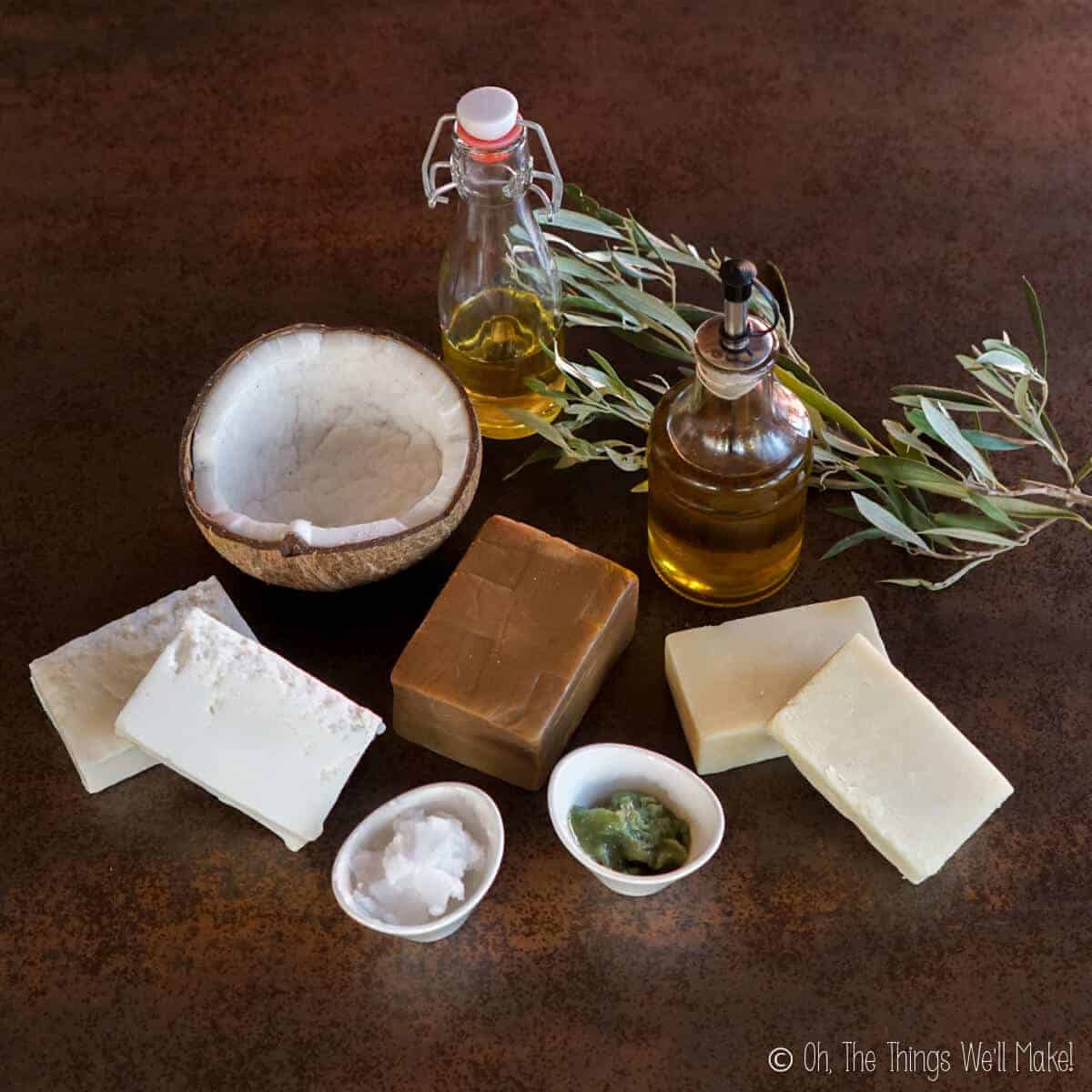
When you first start making your own products, it’s really easy to think you need a whole collection of different oils. I definitely went through that phase and ended up with way more than I actually used. In reality, you can do a lot with just a few good, versatile oils.
If you’re trying to keep things simple, it helps to have a small mix that covers different needs. For example:
- One versatile everyday oil such as olive oil or jojoba oil
- One richer oil like avocado oil or argan oil
- One specialty oil such as rosehip oil for facial products
- One functional oil like castor oil for blends or soapmaking
From there, you can add other oils over time if you want to try something new or if a recipe calls for it.
What I’ve found, though, is that I keep coming back to the same few oils again and again. It’s much more useful to really understand how a small group of oils behave than to have a shelf full of oils you barely use (and that may end up going rancid).
Keeping things simple not only makes formulating easier, but it also helps reduce waste.