

Zinc Oxide Stick: Natural Remedy for Itchy Skin Rash
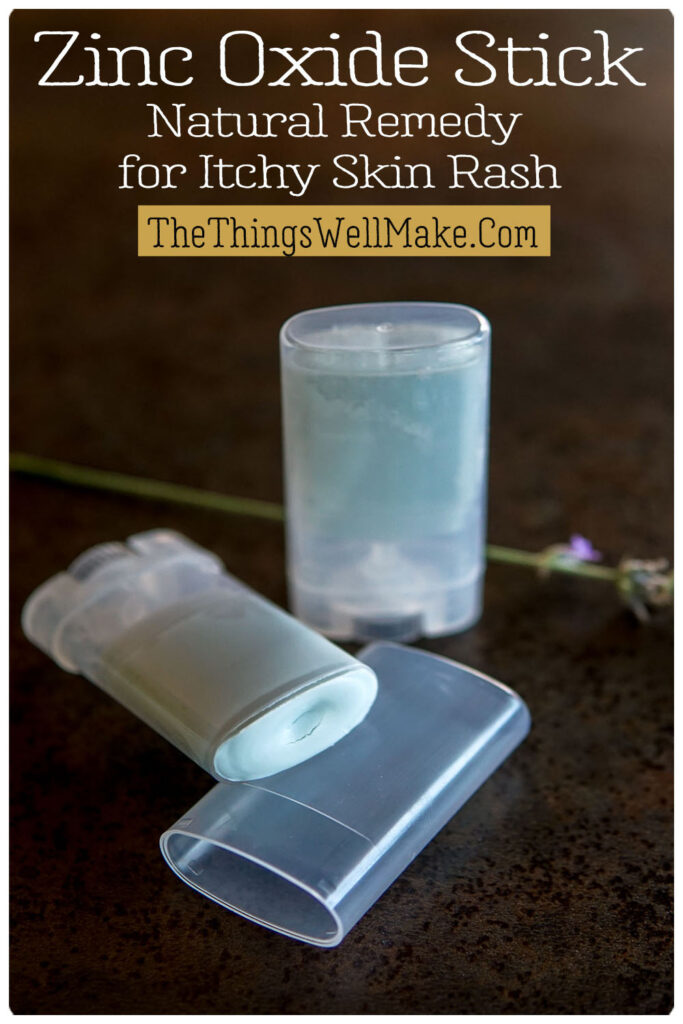
Calm irritated skin with this DIY zinc oxide stick, perfect for rashes, heat bumps, and itchy skin. Made with tallow or shea butter and optional essential oils.
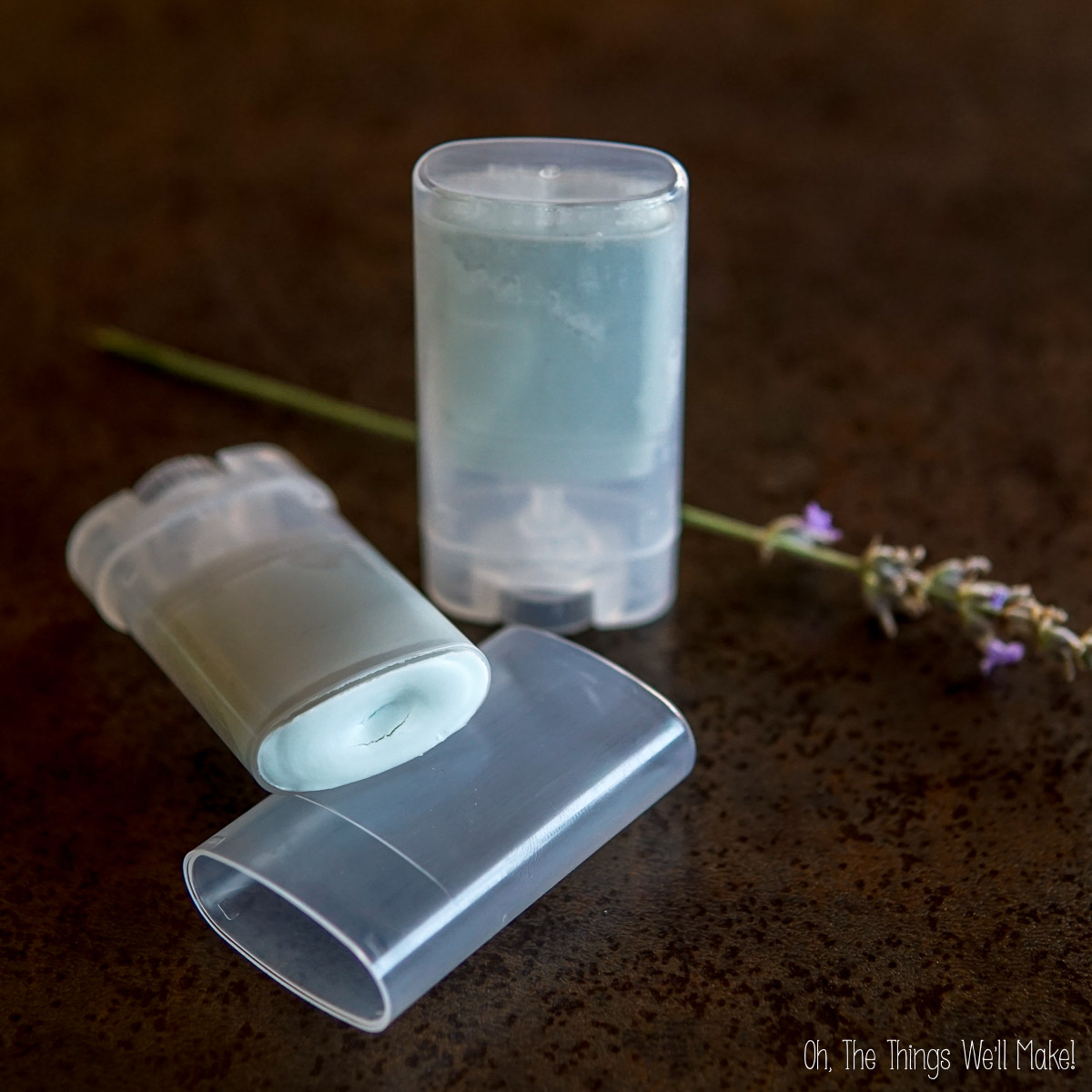
For the past several days, I’d been scratching at my back like crazy. At first, I thought it was something I had eaten (as it often is with me), but this time the itch wouldn’t quit no matter what I avoided. Looking back, it was probably just a heat rash.
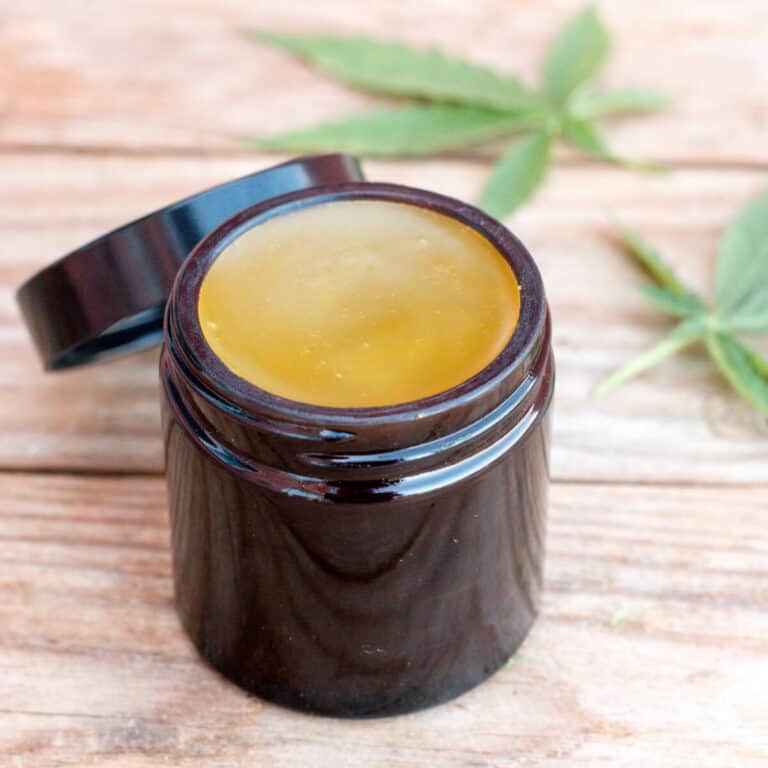
I remembered a balm I made for my son’s irritated underarms a month or two ago, so I decided to try something similar for myself. With just a few simple ingredients: tallow, castor oil, and zinc oxide, I whipped up a rich, soothing balm that calmed the itch within hours.
Whether you’re dealing with heat rash, sweaty skin irritation, or just a mysterious itch that won’t go away, this natural balm might be just what you need to feel better.
Ingredients
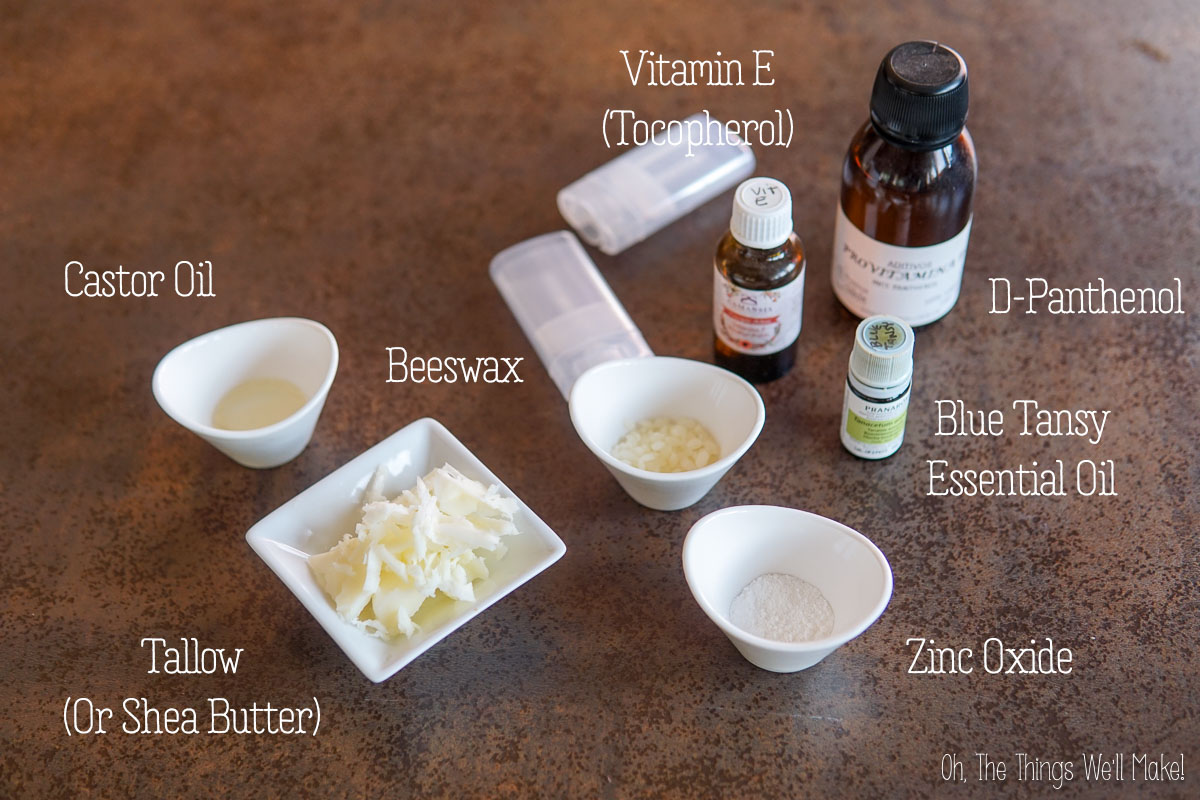
Tallow or shea butter
The base of this balm is made with rendered tallow, one of my favorite ingredients for skincare lately. Tallow closely mimics the oils our own skin produces, which makes it ideal for repairing dry, itchy, or inflamed skin. I like using grass-fed tallow when I can get it, but any clean, rendered tallow will work well here.
If you prefer a plant-based option, shea butter also works well in this recipe. The texture will be a little softer and can feel slightly greasier, but it’s still very soothing and nourishing.
Castor oil or other oils
To help spread the balm more easily and boost its soothing properties, I added a bit of castor oil. Castor oil soothes irritation and provides some antimicrobial and anti-inflammatory benefits. If you don’t have castor oil, you can use olive oil, jojoba oil, or avocado oil instead. Depending on the oil you use, the texture may be slightly different.
Zinc oxide
For itch relief and to help dry out any areas affected by sweat or moisture, I included zinc oxide powder. Zinc oxide is often used in diaper creams and rash ointments because of how effectively it soothes the skin and helps create a protective barrier.
Be sure to use non-nano zinc oxide, and always avoid inhaling the powder while mixing.
Optional ingredients
Beeswax
To thicken the balm enough to work in a tube applicator, I also added beeswax. It firms the balm just enough to hold its shape without making it too hard to apply. You can adjust the amount slightly depending on how soft or solid you like your finished product. Or, omit it if you plan to whip the balm and store it in a jar.
Essential oils
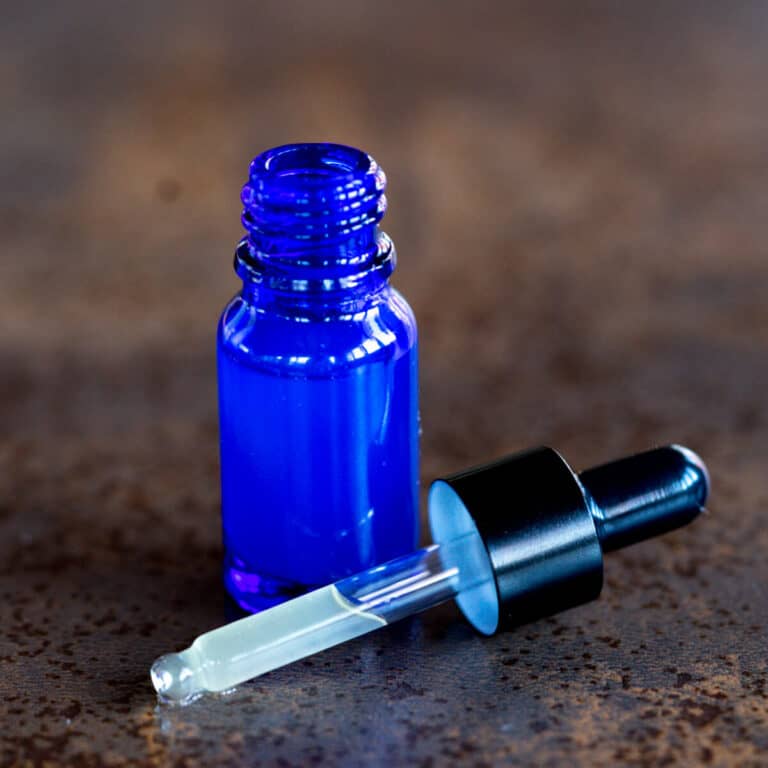
For fragrance and added skin-soothing benefits, I used a drop of blue tansy essential oil. I’d used it before in my homemade lip balm as it’s known for calming inflammation and skin irritation. Blue tansy oil is a deep, vivid blue that can stain, so be careful as you add it.
If you don’t have blue tansy, you can use other gentle oils like Roman chamomile or lavender. Or, skip the essential oils entirely.
Vitamin E and D-Panthenol (Optional Add-Ins)
While not necessary, I like to include a drop of vitamin E (tocopherol) to help extend the shelf life of the oils. It’s antioxidant properties are also great for the skin. It can help heal skin rashes or irritation.
D-panthenol (also known as provitamin B5) is another optional ingredient I use in skin and hair cosmetic recipes. It’s hydrating and may calm itchiness and redness. It’s water-soluble, but just a few drops can typically be mixed into oil-based balms without separating. Just be sure to mix it well.
If you don’t have either, feel free to skip them.
Instructions
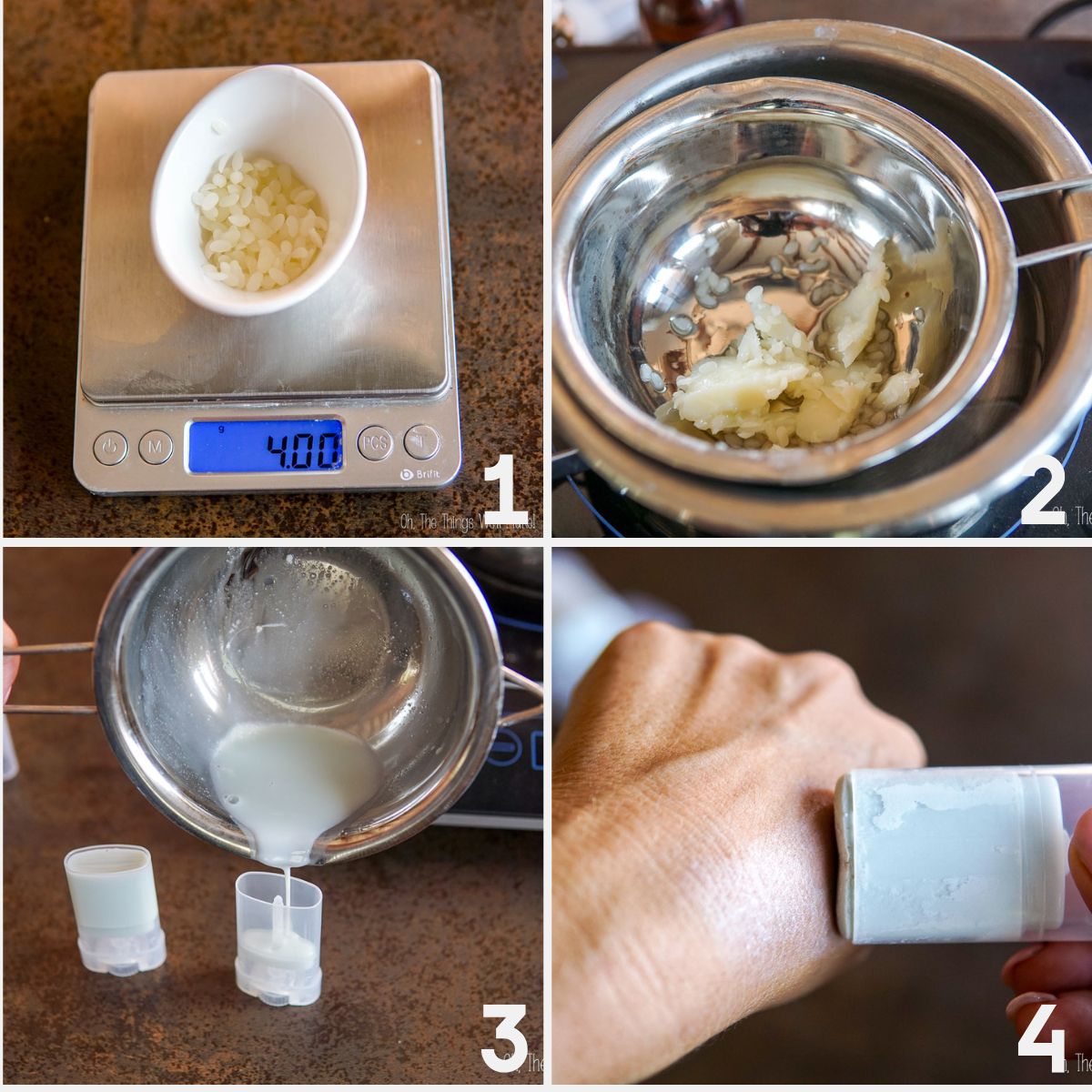
- Weigh out the ingredients.
- Melt them gently over a double boiler.
- Pour the ingredients into your container.
- Use once fully set.
If your tallow is already soft and at room temperature, you don’t need to melt it if you plan to make a whipped balm stored in a jar. You can just scoop the softened tallow into a mixing bowl and blend it with the oils using a hand mixer or stand mixer. It’s quick, easy, and works beautifully for a fluffier texture that’s great for scooping.
If you’re going to be using a stick-style applicator, like a mini deodorant tube or lip balm container, melt the tallow together with the beeswax. These ingredients need to be fully melted and combined to create a balm that holds its shape and applies smoothly from a tube. That’s the main reason for using beeswax in this type of recipe. It helps firm up the balm so it stays solid in the container, but still soft enough to glide on the skin.
Be careful not to overheat the mixture! Gentle melting over low heat or using a double boiler will help preserve the beneficial properties of your ingredients.
Once your tallow is soft or melted, stir in the castor oil until fully combined. Then, slowly mix in the zinc oxide powder. I recommend doing this part gently and carefully. Zinc oxide is a fine powder that can easily puff into the air, and you don’t want to breathe it in. (This is a great use for those otherwise not-so-useful face masks.)
If you’re using essential oils, vitamin E, or d-panthenol, add them once the mixture has cooled a bit but is still pourable. Once combined, pour the mixture into your applicator tube or container.
Let the balm cool completely before using. It should firm up as it sets and will stay solid at room temperature.
How to Use It
Apply the balm in a thin layer over clean, dry skin. It spreads easily, so you don’t need much.
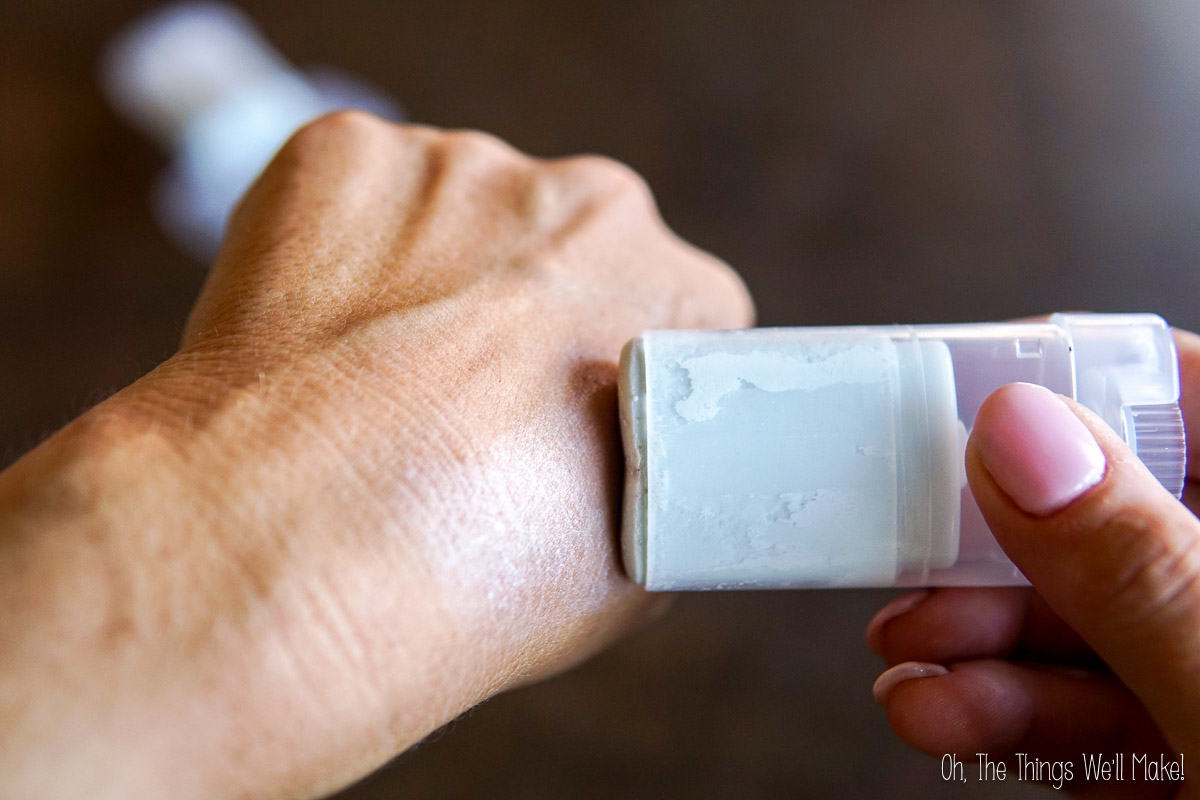
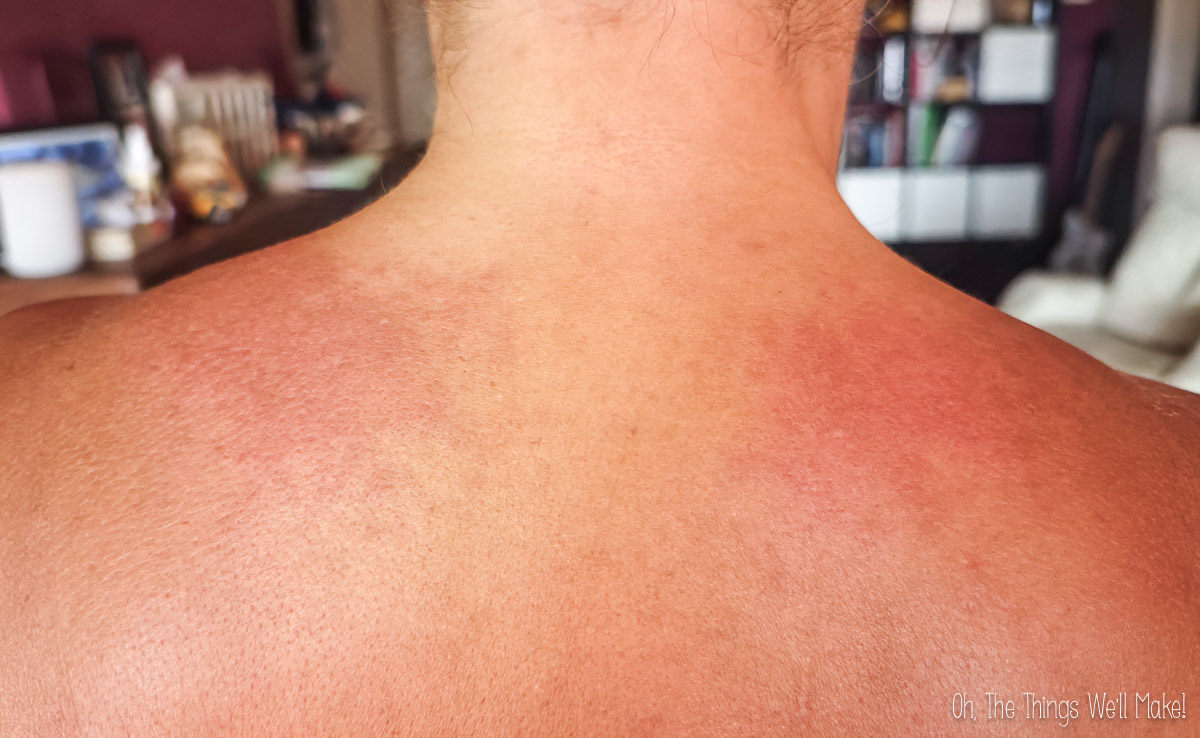
I used it on my itchy back, and it helped soothe it and clear up the rash.
It’s also great for other common trouble areas like irritated armpits, heat rashes, or anywhere skin tends to rub or sweat (like under the breasts or along the inner thighs in summer).
Zinc even has some mild deodorizing properties, which is why I include both zinc oxide and zinc ricinoleate in my homemade deodorant for sensitive skin. When my son had a rash under his arms, I applied this balm instead of deodorant for a few days while it healed. It worked surprisingly well and did help reduce his body odor (albeit not as well as the deodorant).
If you store your balm in a jar or tin, scoop a little out with a clean finger or spatula. Applicator tubes make the application easier to apply where you need it. They’re also a lot less messy; no need to get oily fingers all over your clothes or countertops.
While this balm is very gentle, I still recommend avoiding open wounds or raw, broken skin. If you’re using essential oils, consider patch testing, especially for sensitive skin or children.
Use it as often as needed. For active skin issues, I like to reapply it once or twice throughout the day, and after washing or sweating.
Storage and Shelf Life
This balm is shelf-stable and keeps well for several months as long as you’re using clean, fresh ingredients. Since there’s no water in the recipe, you don’t need a preservative. Still, it’s a good idea to store it in a cool, dry place and use clean hands or a spatula when applying it to avoid introducing bacteria into your container.
At room temperature, it should stay solid but spreadable. If your home tends to get warm in the summer, you might want to keep it in the fridge or add a bit more beeswax to help it hold its shape.
When stored properly, this balm can easily last six to twelve months, or longer. To estimate the shelf life, check the best-before dates on your ingredients and go by the one with the shortest life. Since this is an oil-based product with no added water, it’s not likely to spoil from microbial growth under normal use. But, if water or sweat is introduced into the container, there’s a chance of surface contamination over time.
This product is more likely to go rancid. If that happens, the balm may still be safe, but it won’t smell as pleasant. I usually finish it long before it has a chance to go off.
FAQs
If the skin is raw or open, I don’t recommend using it. This balm is great for irritated or itchy skin, but it’s not meant to go on wounds. That said, I’ve used it on chafed or healing areas to help protect and soothe the skin while it recovers.
It’s not technically a deodorant, but the zinc oxide does help with odor a bit. I’ve used it under my son’s arms when he had a rash, and it worked well enough for a few days while his skin healed. If you’re looking for something stronger, I do have a homemade deodorant recipe that’s great for sensitive skin.
Yes! If you don’t use animal products, you can swap the tallow for shea butter. It’ll be a bit softer and maybe a little greasier, but it’s still very soothing. You might want to add a touch more beeswax if you’re using a tube, or just store it in the fridge during warmer months.
It can be, as long as you leave out the essential oils and test a small area first. I’d use just the base ingredients (like tallow or shea, castor oil, beeswax, and zinc oxide) for little ones. As always, if you’re unsure or it’s for something more serious, check with your pediatrician.
Kind of, but not really. Zinc oxide does offer some sun protection, but this balm hasn’t been lab-tested for SPF. So, it’s not something I’d count on if you burn easily or plan to be out all day. Personally, I’m not a big fan of commercial sunscreens and prefer to build up gradual sun tolerance, cover up when needed, and get sun safely. But if you’re still adjusting or expect stronger sun, I’d recommend using shade, clothing, or a well-formulated natural sunscreen.
If you keep it clean and store it somewhere cool and dry, it should last at least six to twelve months, maybe longer. There’s no water in it, so spoilage isn’t likely unless you get water or sweat in the container. It’s more likely the oils might go a little rancid over time, so just give it a sniff before using if it’s been a while.
You don’t have to use essential oils; they’re totally optional, but they can be a great addition. Some essential oils offer soothing or healing properties, and they can also give the balm a pleasant scent.
That said, if you’re making this for someone with very sensitive skin, you might want to skip them or use only the gentlest oils in small amounts. (I would skip the essential oils if using this for a baby.)
My favorite for this balm is blue tansy, which helps calm inflammation and irritation (and gives the balm a pretty greenish-blue tint). Just be aware that it can stain fabrics. Other good options include Roman chamomile, lavender, or helichrysum. Stick to about 1–2 drops per ounce of balm to keep it gentle.
Video
DIY Zinc Oxide Stick for Itchy Skin
Materials
- 20 g tallow or substitute shea butter for a vegan version
- 4 g beeswax adds firmness; adjust to preference
- 4 g castor oil soothing, gently antimicrobial
- 2 g non-nano zinc oxide ≈ 6–7% of total balm
- 1 drop vitamin E optional, antioxidant
- 2 drops D-panthenol optional, skin-soothing
- 3 drops essential oil optional; try Roman chamomile, lavender, or blue tansy
Instructions
- In a double boiler or small pan, gently melt the tallow and beeswax just until fully liquified.
- Remove from heat and stir in castor oil, then zinc oxide, mixing slowly to avoid inhaling the powder. A mask is recommended while handling dry zinc oxide.
- Add vitamin E, D-panthenol, and essential oils once the balm has cooled slightly but is still pourable.
- Pour into clean mini deodorant tubes, lip balm tubes, or a small jar.
- Let cool fully at room temperature or in the fridge to speed up setting.
This article is incredibly helpful! The detailed instructions and ingredient explanations make creating the balm feel easy and achievable. I love how it addresses potential concerns like using non-nano zinc oxide.
Thank you so much Ashley!