

DIY Toothpaste Tablets Recipe
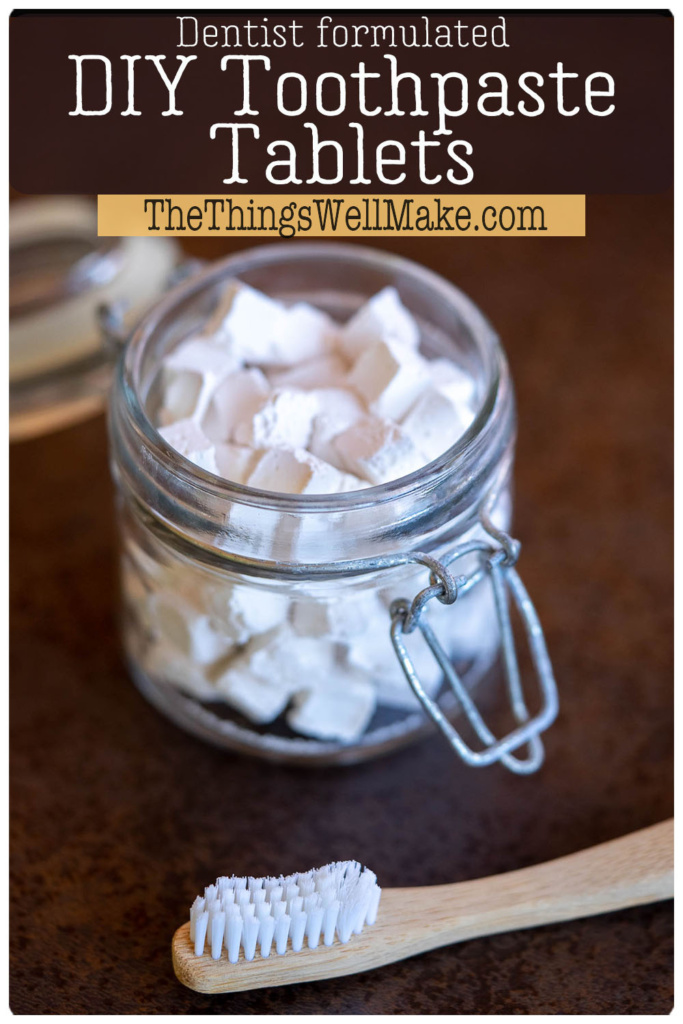
A convenient and eco-friendly alternative to traditional toothpaste, these homemade toothpaste tablets are easy to make and can be adjusted to suit your personal taste.
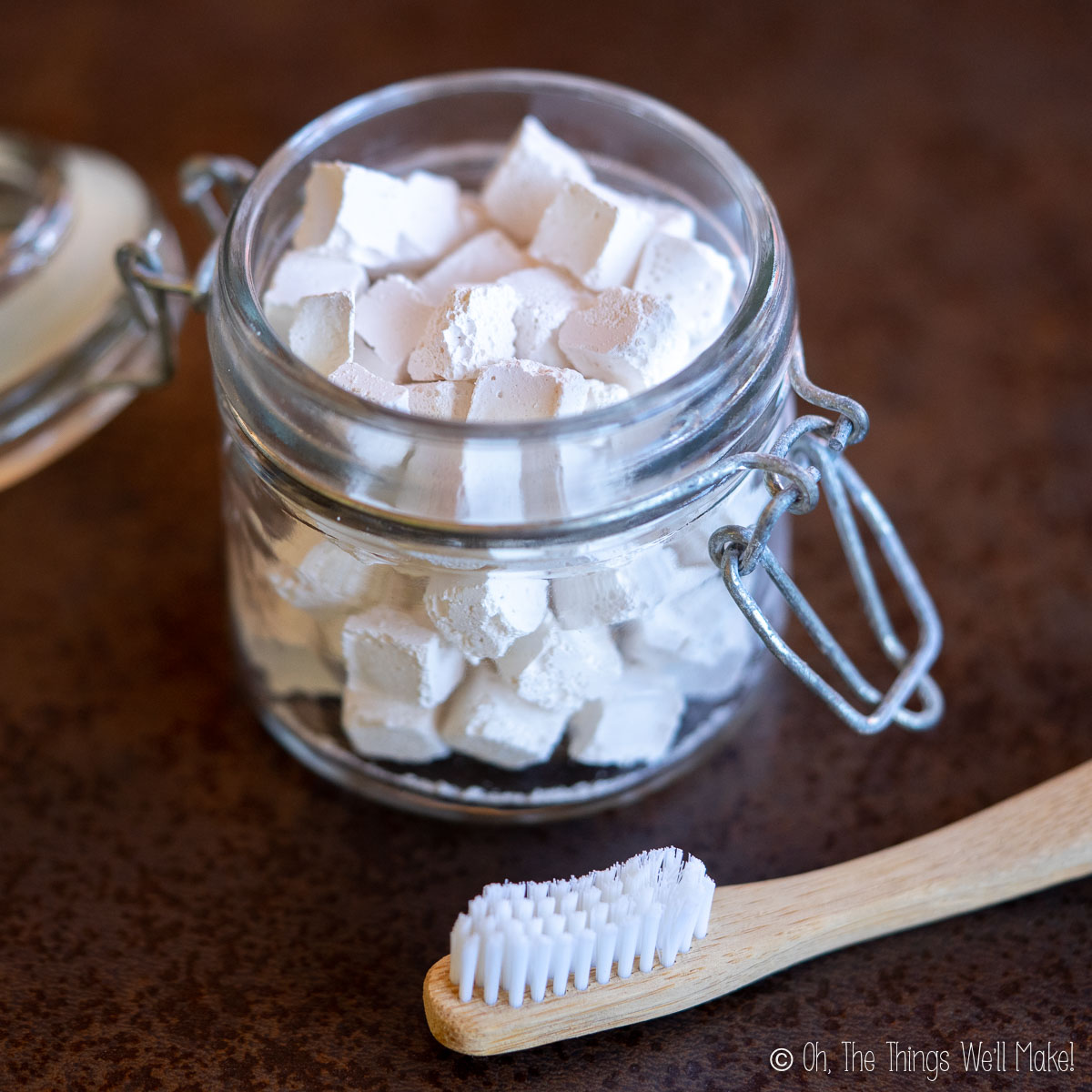
Over the years, several people have asked me to formulate something quite interesting: toothpaste tablets. They wanted a zero waste toothpaste recipe from someone who had studied dentistry (and having some knowledge in cosmetic formulation was a plus). Despite my history in dentistry, I hadn’t even heard of toothpaste tablets at the time of the first request. I hadn’t ever seen them in a store here in Spain, not even in the natural supermarkets.
Fascinated by the idea, I ordered a couple of types of toothpaste tablets online to give them a try. One had surfactants to give a bit of foaming. Another used bentonite clay and activated charcoal. Other common ingredients were baking soda and calcium carbonate. In the end, though, the ingredients were similar. After trying them both, I had a good idea of what I wanted in my DIY toothpaste tablets.
Why make toothpaste tablets?
There are several great reasons to give making toothpaste tablets a try.
Like toothpaste powder, toothpaste tablets don’t need a preservative because there is no water in them. While the tablets are made with water, it is evaporated away, leaving none in the final product. Developing a toothpaste recipe that contains water can pose a challenge in estimating its shelf life. Also, it’s unclear if there are any preservatives for home formulators that are safe for an oral care product.
Another great benefit of toothpaste tablets is that they are environmentally friendly. You can make them with reusable molds and store them in a glass jar or metal tin. This means that can keep the plastic waste from traditional toothpaste tubes out of the landfill.
Super convenient, they are light and easy to travel with. Just take as many tablets as you’ll need for your short trip!
If you’re already in love with toothpaste tablets, you’ll know that they can be a pricier alternative. By making your own, you can also save a lot of money!
Ingredients
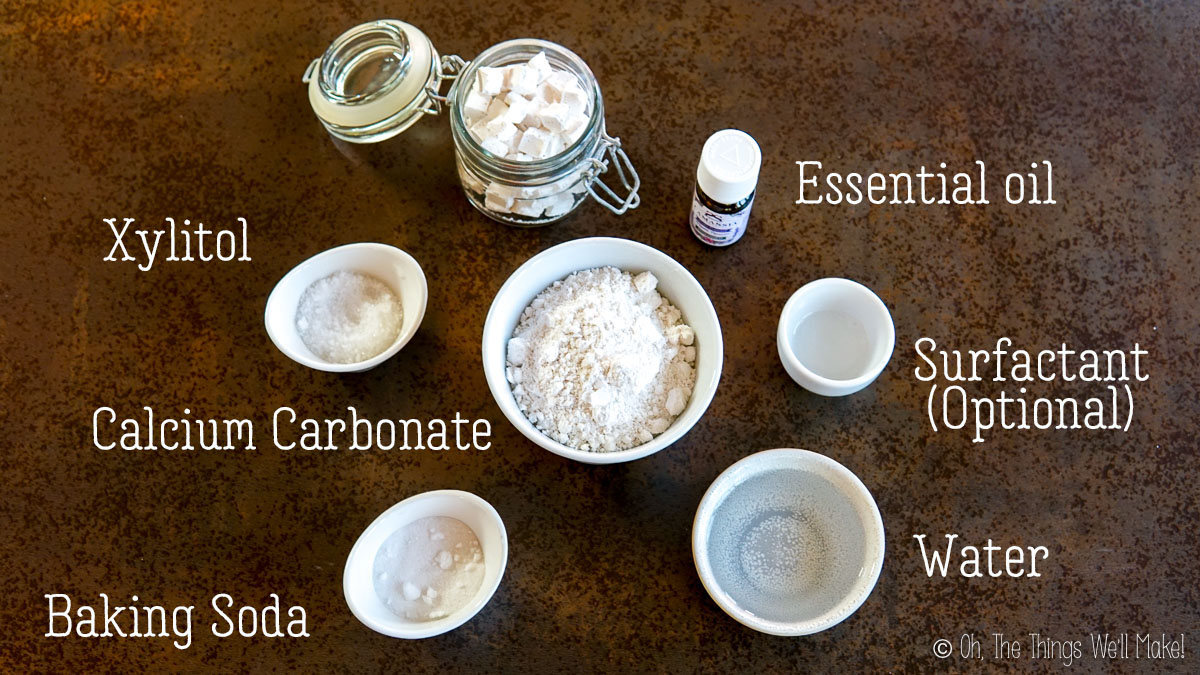
I decided to make the main base of my recipe from calcium carbonate. Calcium carbonate is great for toothpaste because it has a gentle abrasive effect that helps get rid of plaque and stains on teeth. Additionally, it has a pleasant texture and mild taste. The minerals in calcium carbonate may also help with remineralization of the teeth.
Sodium bicarbonate, or baking soda, is another natural polisher that I decided to add to my diy toothpaste tablet recipe. It has an alkaline pH that helps to neutralize acids in the mouth and has antibacterial properties that can help to prevent bad breath.
Optional ingredients
To make a more professional quality toothpaste tablet, I incorporated a couple of grams of a natural surfactant that I’ve seen used in many commercially sold toothpastes, sodium cocoyl glutamate. It helps mildly cleanse while adding a foaming quality to the paste. One of the tablets I bought used way too much and foamed excessively when used. I love being able to control the amount of foaminess achieved in my homemade tablets. (If you don’t want to use it, there is absolutely no need, and you can eliminate the surfactant completely!)
To add a bit of sweetness and cavity-fighting power, I also included xylitol, a natural sweetener that has been shown to prevent cavities. To give my toothpaste tablets a refreshing flavor, I add a few drops of essential oil. While I generally use peppermint oil, clove oil is another popular choice.
While xylitol is safe for humans to consume, it can be toxic to animals, especially dogs. So, don’t make toothpaste products for your animals with xylitol, and make sure you keep it out of their reach.
What I didn’t use
Although numerous toothpaste tablets available for purchase contain bentonite or kaolin clay, I opted to steer clear of these ingredients for my latest creation. For one, I’ve decided that I don’t like the mouthfeel of clay-based toothpaste. It didn’t use to bother me, which is why my first homemade toothpaste was clay-based. My other concern, though, is not knowing if the clays I buy are contaminated with heavy metals or other toxins like arsenic. As I won’t be spending the money to lab test my toothpaste, I decided to err on the side of caution and avoid using clay this time!
Instructions
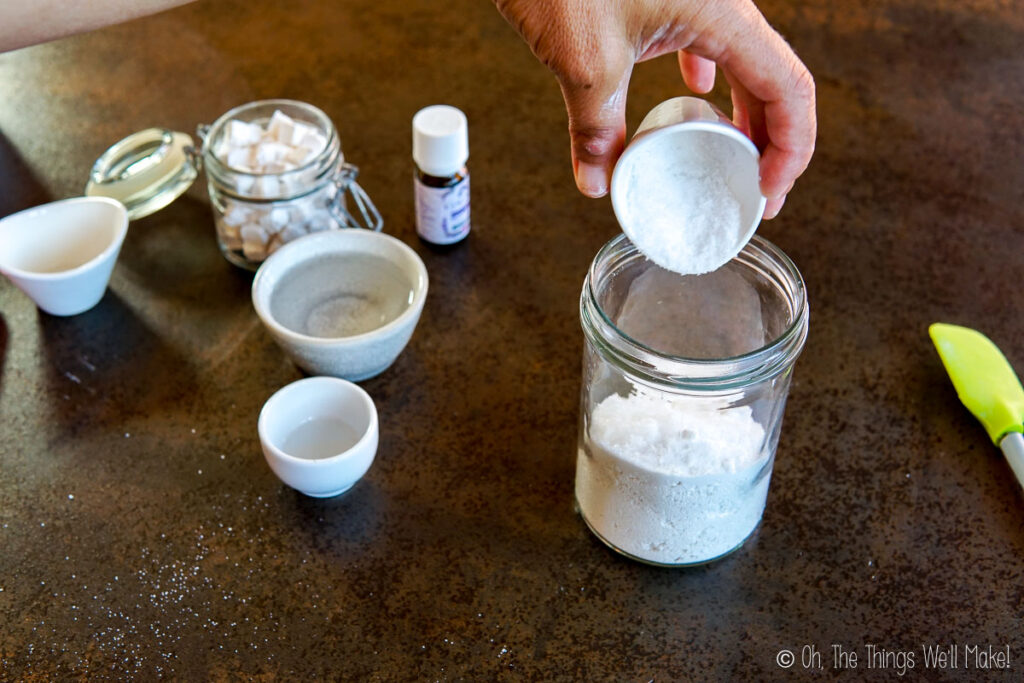
Mix dry ingredients. 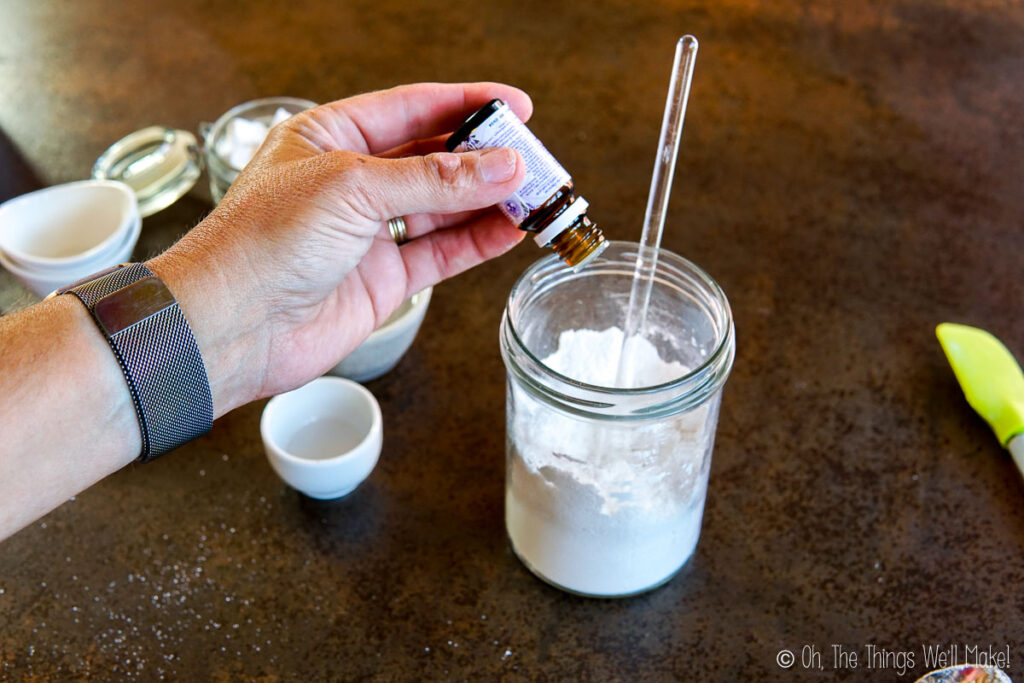
Add essential oil and surfactant. 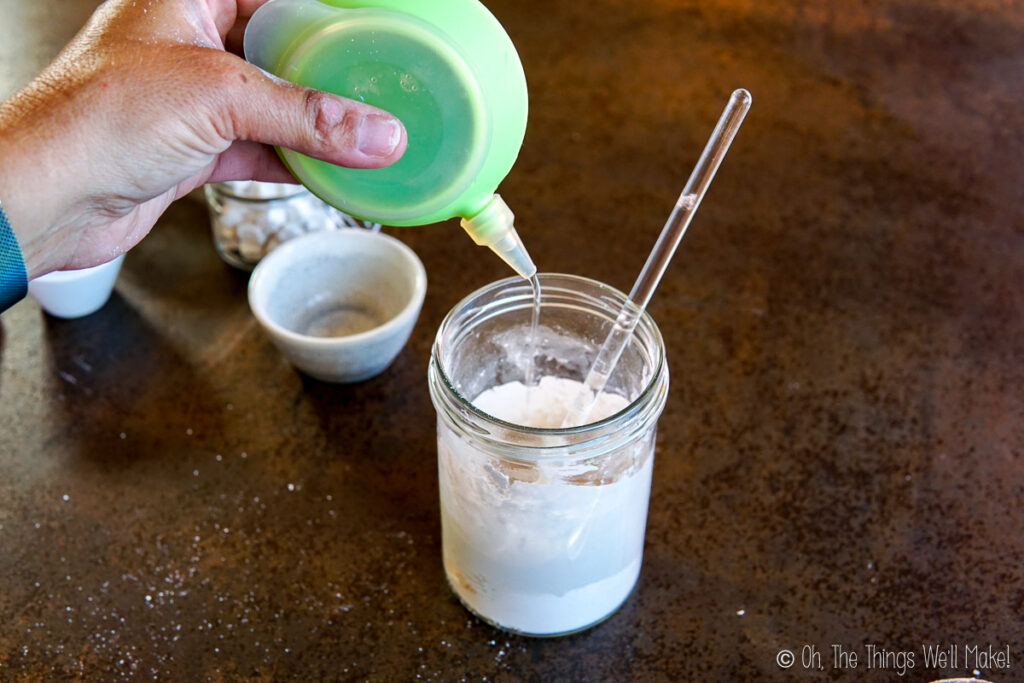
Add water to form a thick paste. 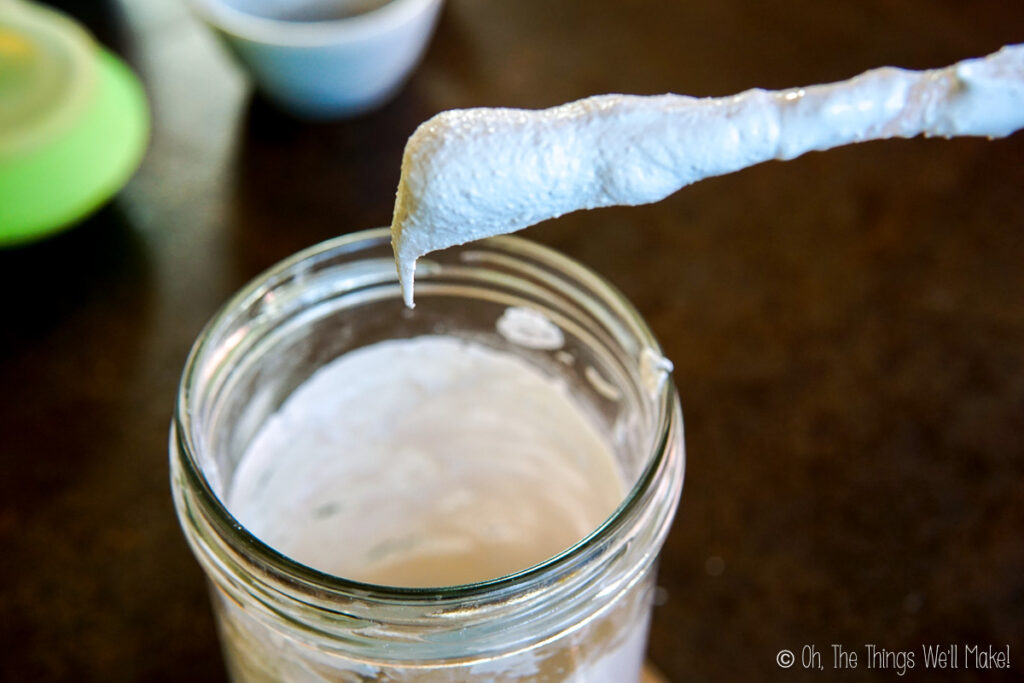
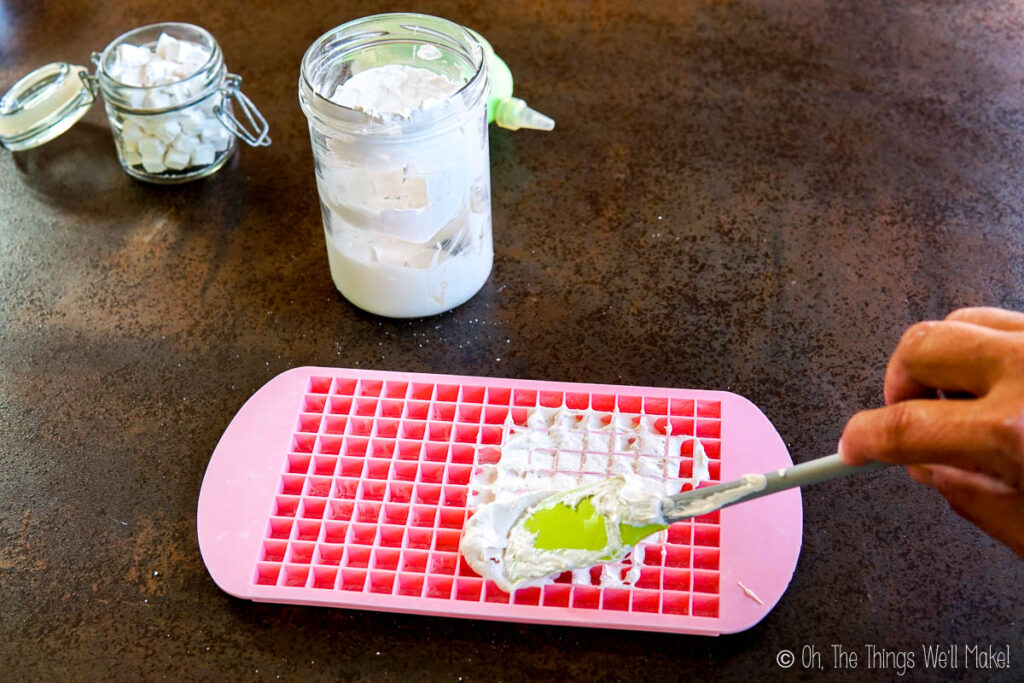
Spread into silicone mold. 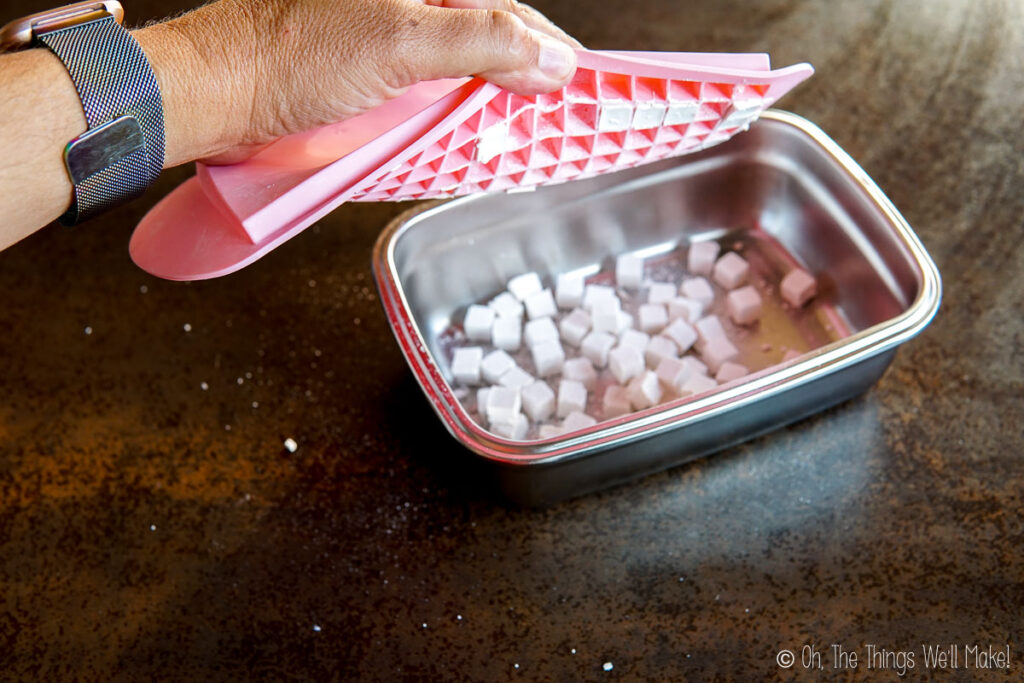
When dry, pop out of mold.
To make your own toothpaste tablets, simply weigh out all of your dry ingredients and stir them together. Little by little, add in filtered or distilled water until you achieve a thick paste.
Press the mixture into small silicone molds and let them dry. I brought mine out in the sun, covered with a net to protect it from insects. (I’m not sure if it’s really necessary as they didn’t seem to want to go near my peppermint mixture anyway!)
If you live in a cool, humid environment, you can speed up the drying process by placing the filled mold in an oven set to the lowest setting.
Once you notice they have dried enough to unmold them, pop the tablets out of the molds and store them in an airtight container.
How to use toothpaste tablets
Now that you have your tablets ready, you might be wondering how to use them! Simply put one tablet in your mouth, chew it up until it becomes paste-like, and brush your teeth as usual. You can use a regular or electric toothbrush. Brush in a circular motion, including the line between the teeth and gums. Don’t forget to brush your tongue too! When finished, spit out the excess.
Video
DIY Toothpaste Tablets
Equipment
Materials
- 50 g calcium carbonate
- 20 g baking soda
- 10 g xylitol
- 3 g surfactant I used sodium cocoyl glutamate.
- 5 drops essential oil options: peppermint, anise, clove, etc.
- 20 g water estimate
Instructions
- Weigh out all of the dry ingredients and mix them together.
- Add the essential oil and surfactant and stir until well incorporated.
- Little by little, add in filtered or distilled water until you achieve a thick paste.
- Press the mixture into small silicone molds and let them dry. (This can be done in the sun.)
- When dry, pop the tablets out of the molds.
- Store them in an airtight container.
To use toothpaste tablets
- Chew on a tablet then brush as usual.
Notes
Toothpaste FAQs
I purposely chose xylitol because it inhibits the cavity-causing bacteria that lead to tooth decay. Other sweeteners may not have those same beneficial properties and some may even feed the bacteria and help cause cavities.
Stevia itself is a natural product that doesn’t lead to tooth decay. That said, there are a variety of different products on the market like stevia drops and powders. These products have other ingredients that may cause issues.
Both activated charcoal and cocoa powder are generally safe to use in homemade toothpaste. Theobromine, found in cocoa powder, has actually been found to help with the remineralization of tooth enamel. Activated charcoal may help absorb toxins and impurities that can cause discoloration on teeth. That said, both are a dark color and may make a mess of your sink. While they may make your teeth look whiter at first, they may both eventually lead to a darkening of your teeth.
While I’ve seen it included in several online toothpaste recipes, please don’t add it! Diatomaceous earth has a Mohs scale hardness rating of 6 which is higher than that of hydroxyapatite, the main mineral component of tooth enamel (rating of 5). Before using any ingredient, make sure the hardness rating is lower than 5, or you risk abrading away tooth enamel. Also, make sure it won’t lower the pH of your mouth or contribute to the formation of plaque in some way.
I’ve received messages from some concerned readers about using essential oils for fear of disrupting the natural bacteria balance in the mouth. They worry that since essential oils have antibacterial properties, they may harm the good bacteria. I understand the fear, but essential oils, while they do have antibacterial properties, they aren’t as strong as you might think. Consider what happens when you make a homemade cosmetic with an essential oil. Unless you were using an extremely high dose, the essential oil won’t affect the shelf life of the product much. Microbes will quickly grow; that’s why you need a preservative. In the case of homemade toothpaste, only a few drops of essential oil are used to add flavor and freshness to the mouth. This isn’t enough to make any real impact.
Xylitol and baking soda also have antibacterial properties and yet are generally recommended as ideal for oral hygiene.

Very useful information
I wonder if this recipe can be used in a pill pressing machine to make it in the from of a pill ?
Hi Kate,
This recipe is designed as a wet paste that dries, not as a compressed powder. A pill press might work in theory, but you’d probably have to add some binders and tweak the formula a bit. As written, it may crumble if compressed dry.
Can I simply use coconut oil for the surfactant?
Hi Teresa
No. Coconut oil is not a surfactant and won’t provide cleansing or foaming. If you don’t want a surfactant, it’s better to leave it out.
I’m having troubles finding food grade sodium cocyl glutamate. Any suggestions where to purchase it?
It doesn’t have to be labeled food grade, but it should come from a reputable cosmetic supplier and be appropriate for oral use.
If you can’t find it, you can simply leave it out.
Hi! I would like to ask why my toothpaste tablets leaves a slightly bitter taste, I’d like to ask what may have possibly made them bittery. Thank you.
Hi Azel,
Bitterness usually comes from too much surfactant, certain essential oils like clove, or higher baking soda levels.
You can try reducing the surfactant or switching to peppermint.
Are these tablets suitable for sensitive teeth?
Libby
For sensitive teeth, you could reduce or eliminate the baking soda and rely on calcium carbonate.
Thanks for this posting. I’ve been purchasing toothpaste tabs for years and the cost is prohibitive at times, plus there’s packaging, etc. I already make my own simple mouthwash and would like to try your recipe for the toothpaste tabs. I had all the ingredients with the exception of the following and have questions:
1. Calcium Bicarbonate powder – I go this in the supplement aisle of my local organic market. I assume this has the same uses?
2. I could not easily find sodium cocoyl glutamate. I purchased Decyl Glucoside (Natural Surfactant, Organic, Plant Derived) instead. They all seem to reference products for hair, skin, etc. but nothing for toothpaste. Is this type something I can use?
Hi Ilona,
Calcium bicarbonate is not the same as calcium carbonate. For this recipe, you need calcium carbonate.
Decyl glucoside isn’t dangerous, but it’s a liquid surfactant and not commonly used in oral care. It can also leave a slightly soapy taste. Because it contains water, it would change the drying time of the tablets.
If you can’t find sodium cocoyl glutamate, it’s better to leave the surfactant out or use something like SCI, which works well in powdered formulas.
Can I use this recipe and just omit the water for a tooth power?
Also, I know you used sodium cocoyl glutamate as a sulfectant. Is sodium cocoyl isethionate the same thing but as a powder? If not, do you have any other suggestions for a good sulfectant to use in this case.
*Most of the recipes I see contain clay, and I would like to avoid that if possible.
Thank you!
Hi Erica,
Yes, you can skip the water and use the dry blend as a tooth powder.
Sodium cocoyl isethionate is different from sodium cocoyl glutamate. It’s stronger and can be more irritating orally. If you use it, keep the percentage very low. It’s also fine to leave surfactants out entirely.
This DIY toothpaste tablet recipe is a game-changer! It’s eco-friendly, cost-effective, and super convenient for travel. Thanks for sharing such information and promote sustainable oral hygiene.
You’re welcome! I’m glad you found the toothpaste tablets helpful. They really do make eco-friendly travel so much easier.
Hi Nicole, I’m looking forward to trying this out. Can you please let me know whether you use sodium cocoyl glutamate in liquid or powder form? Thanks.
Hi Chloe
I’ve used both the powder and liquid versions.
If you use the liquid version, just reduce the added water slightly since the surfactant already contributes some moisture. As long as the paste dries fully, it’s not a problem.
I have tried these and they are wonderful! Thank you so much for posting the recipe.
What do you call the plastic bottle you used for adding the water?
Thanks, Nicole.
It’s actually made of silicone and it’s called the Lekue deco pen. I find it really handy for lots of uses.
Hi,
I ve seen somewhere that they added strawberry powder, matcha green leaf powder or cinnamon powder? Is it ok to add this powders?
Thank you:)
Hi Oana,
I personally wouldn’t add strawberry powder. Fruit powders contain natural sugars and acids, which isn’t ideal in something meant to clean your teeth.
Matcha is less of a concern from an acidity standpoint, but it can stain. Cinnamon can irritate gums for some people.
If someone wants flavor, I think it’s better to stick with small amounts of essential oils rather than adding plant powders.
Do you have to have the surfactant? The only thing it adds is the foaming affect. Wondering if I can leave it out.
Hi Kate,
No, you don’t need it. It only adds foam. The cleaning comes from the abrasives and brushing. You can leave it out completely.